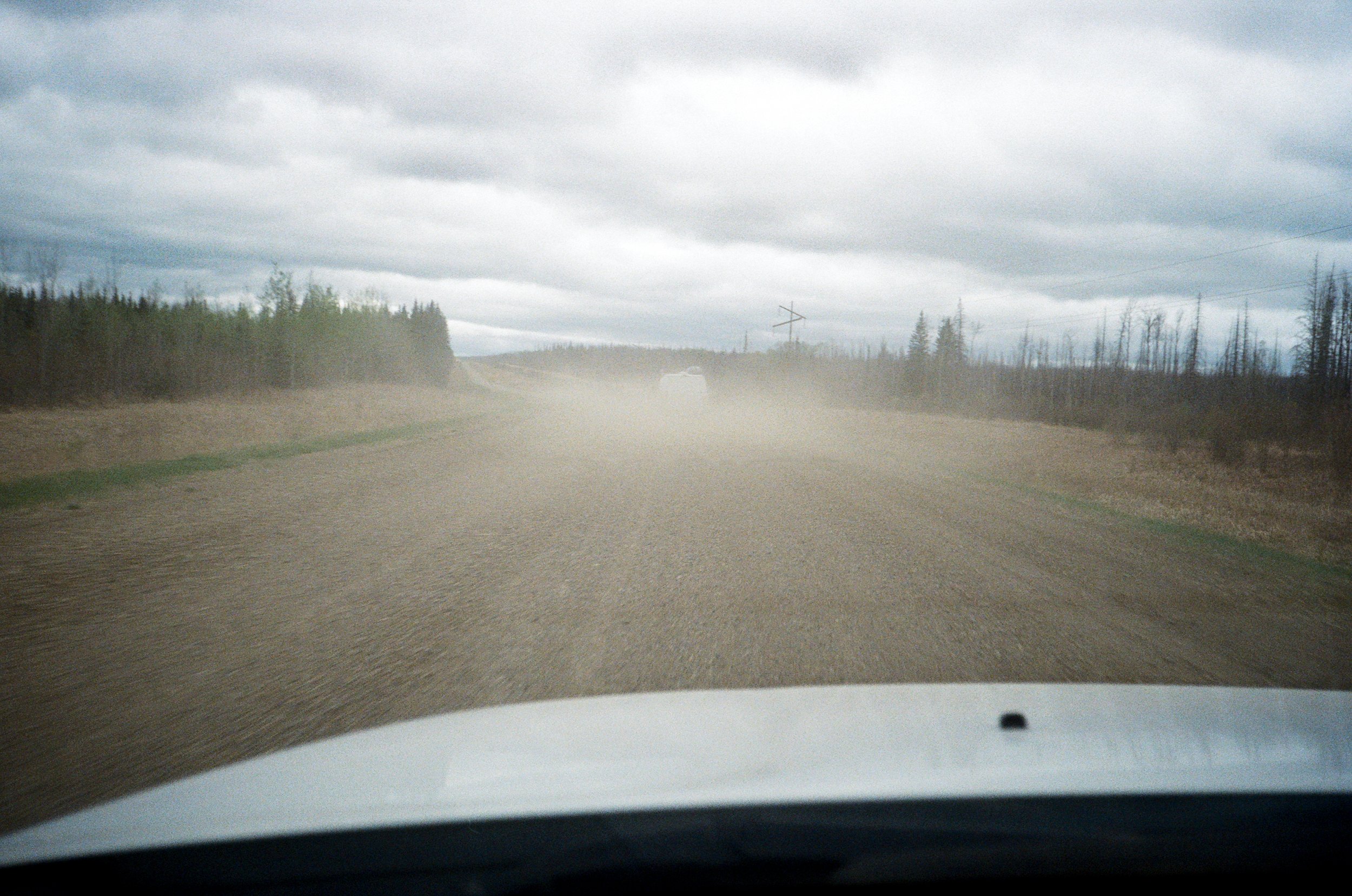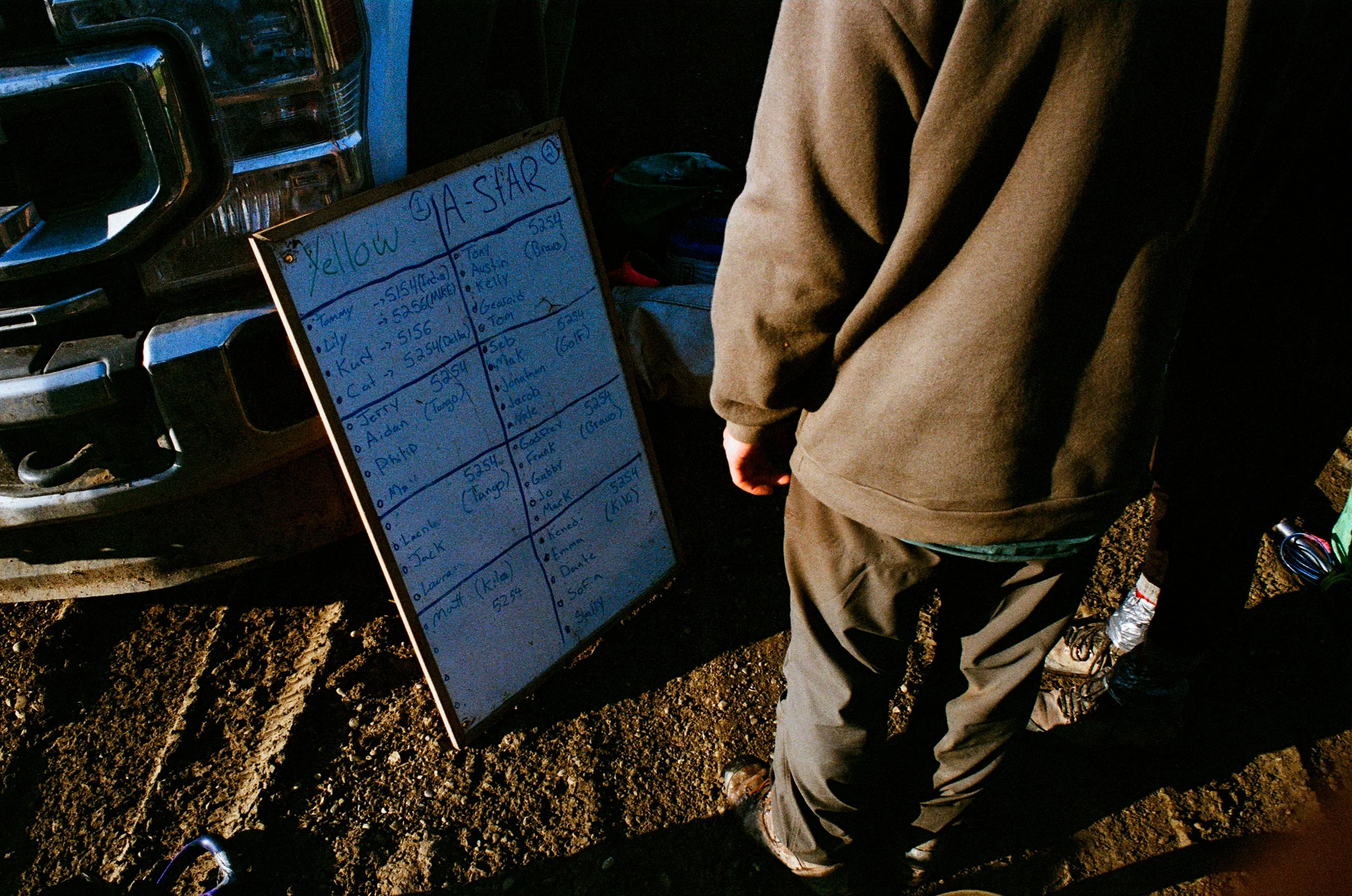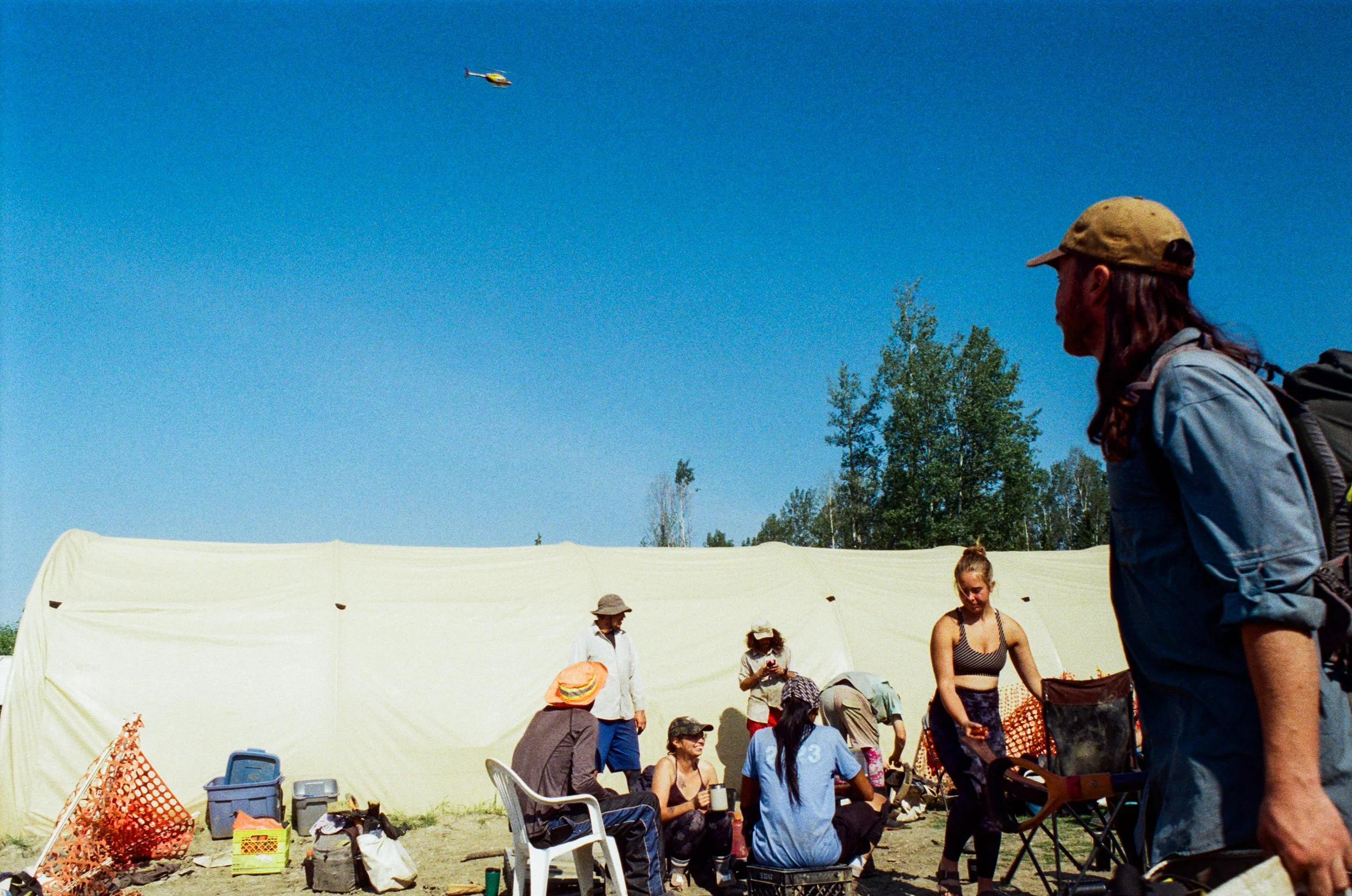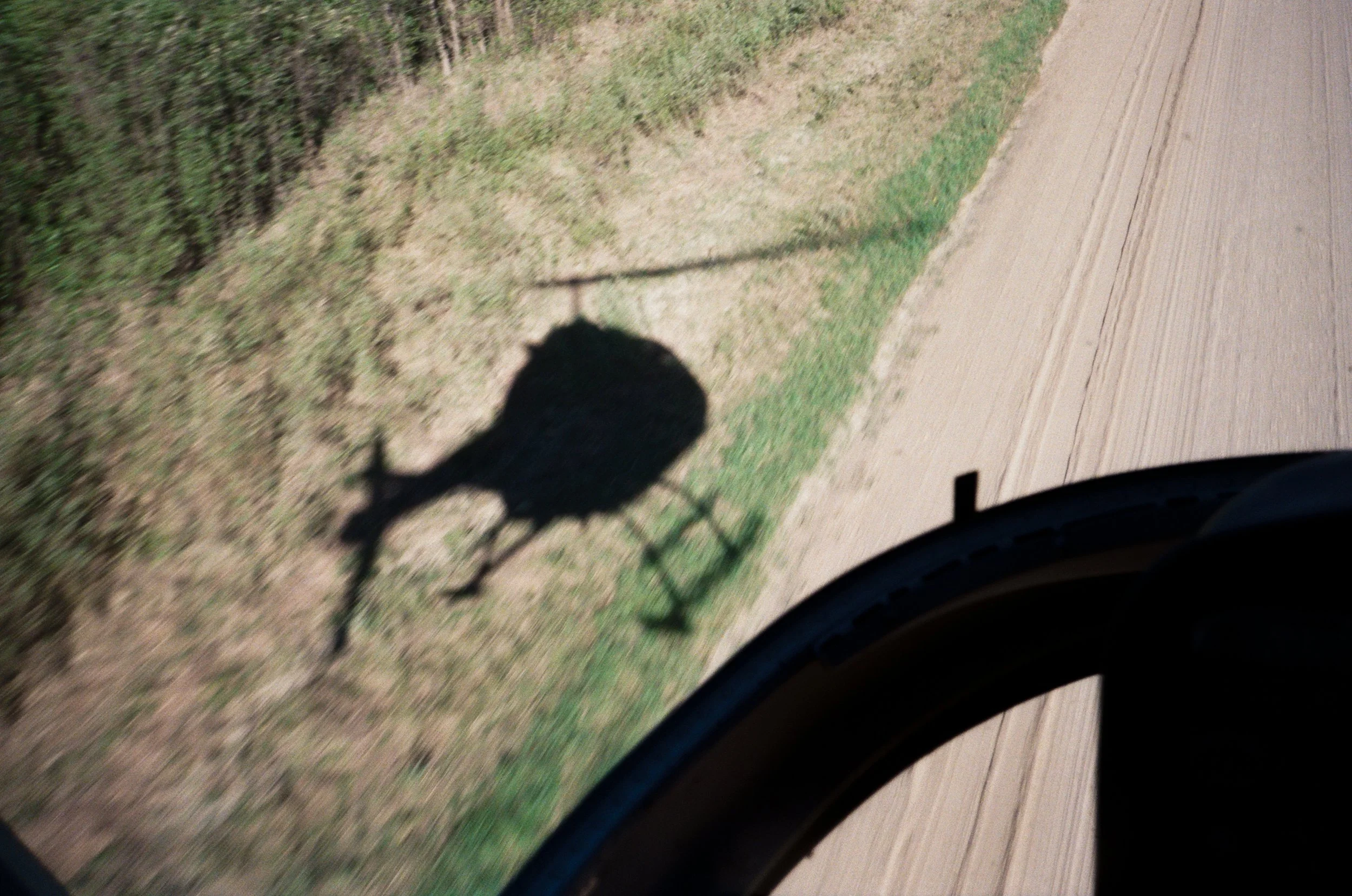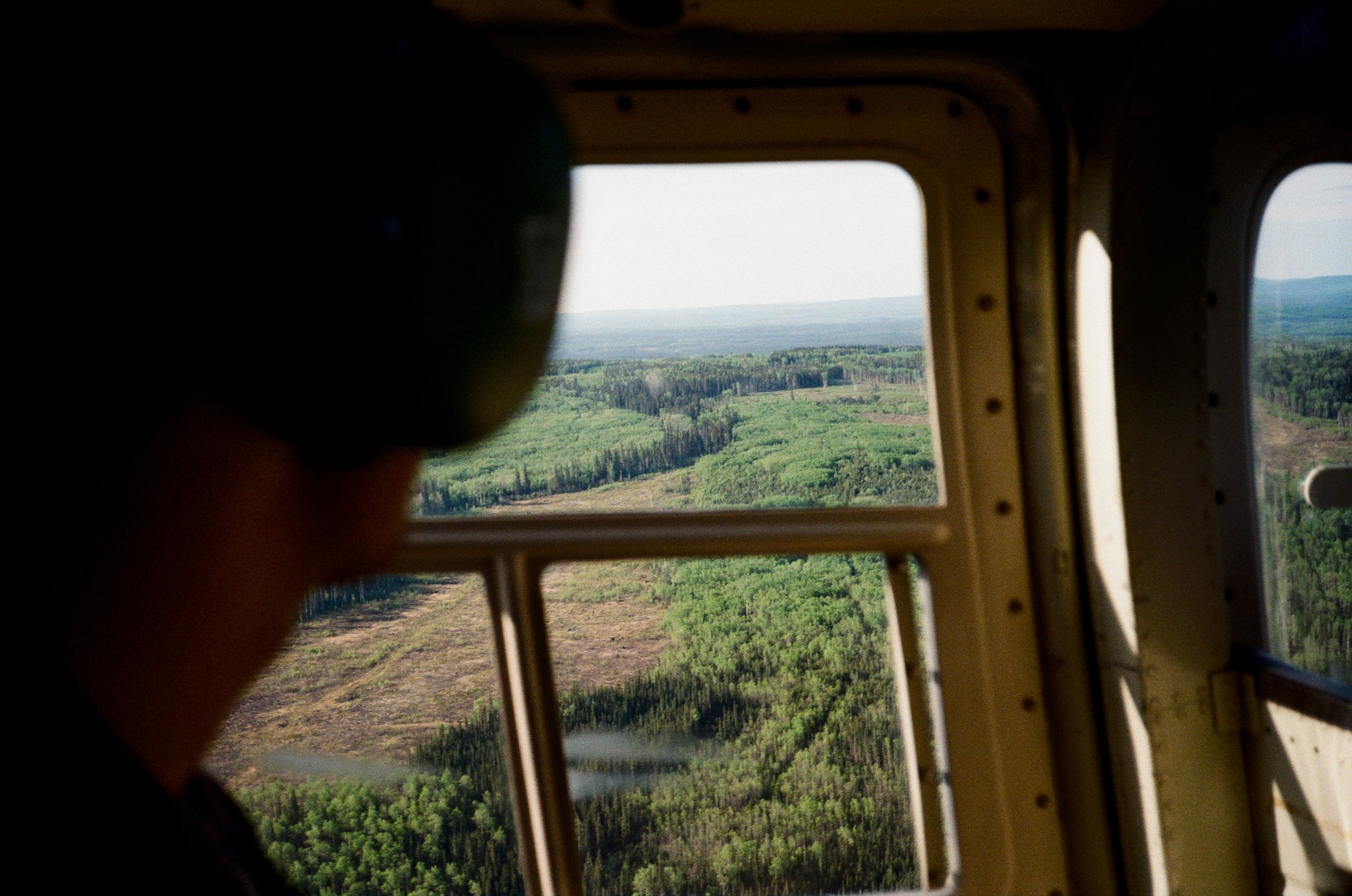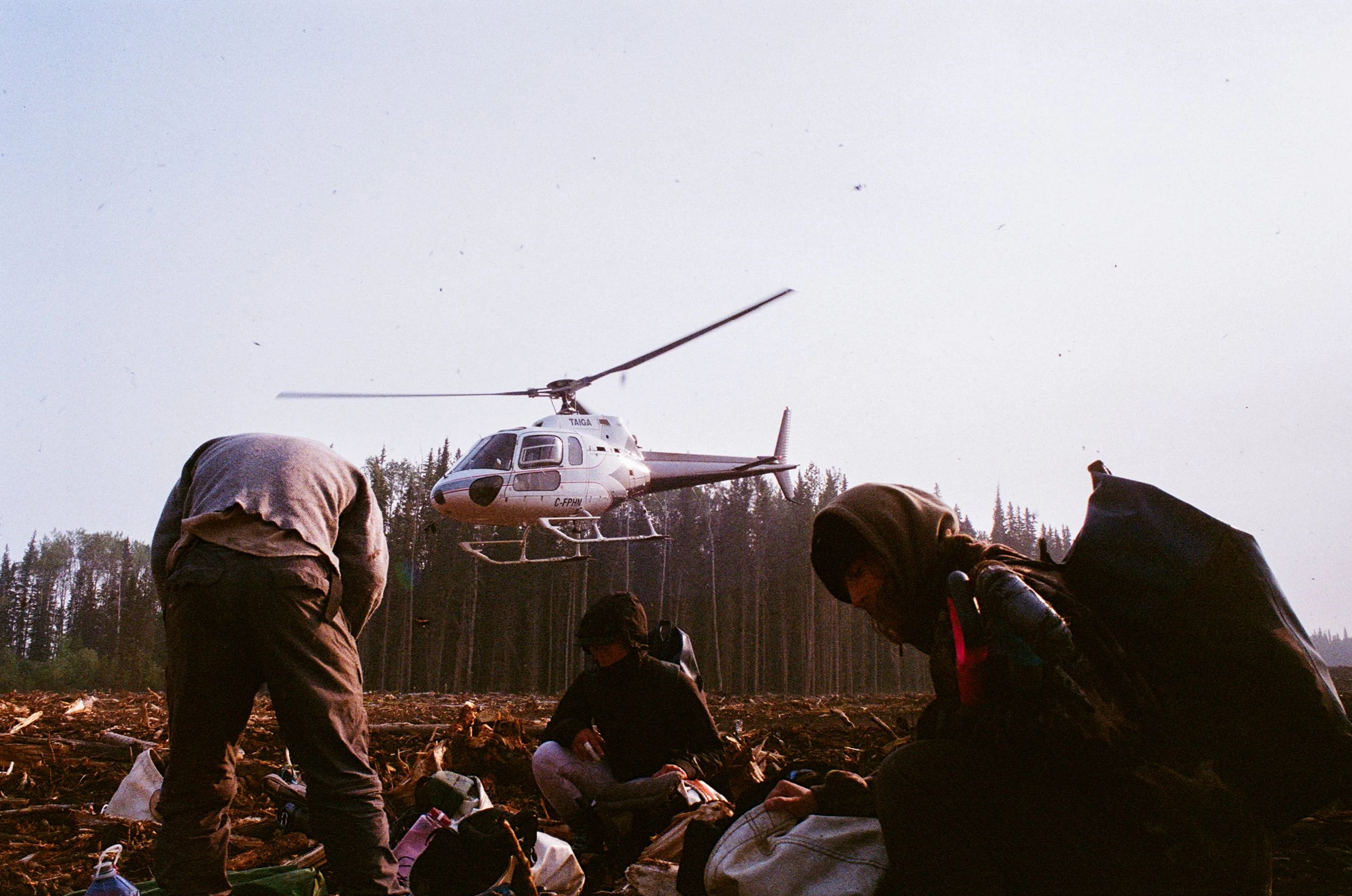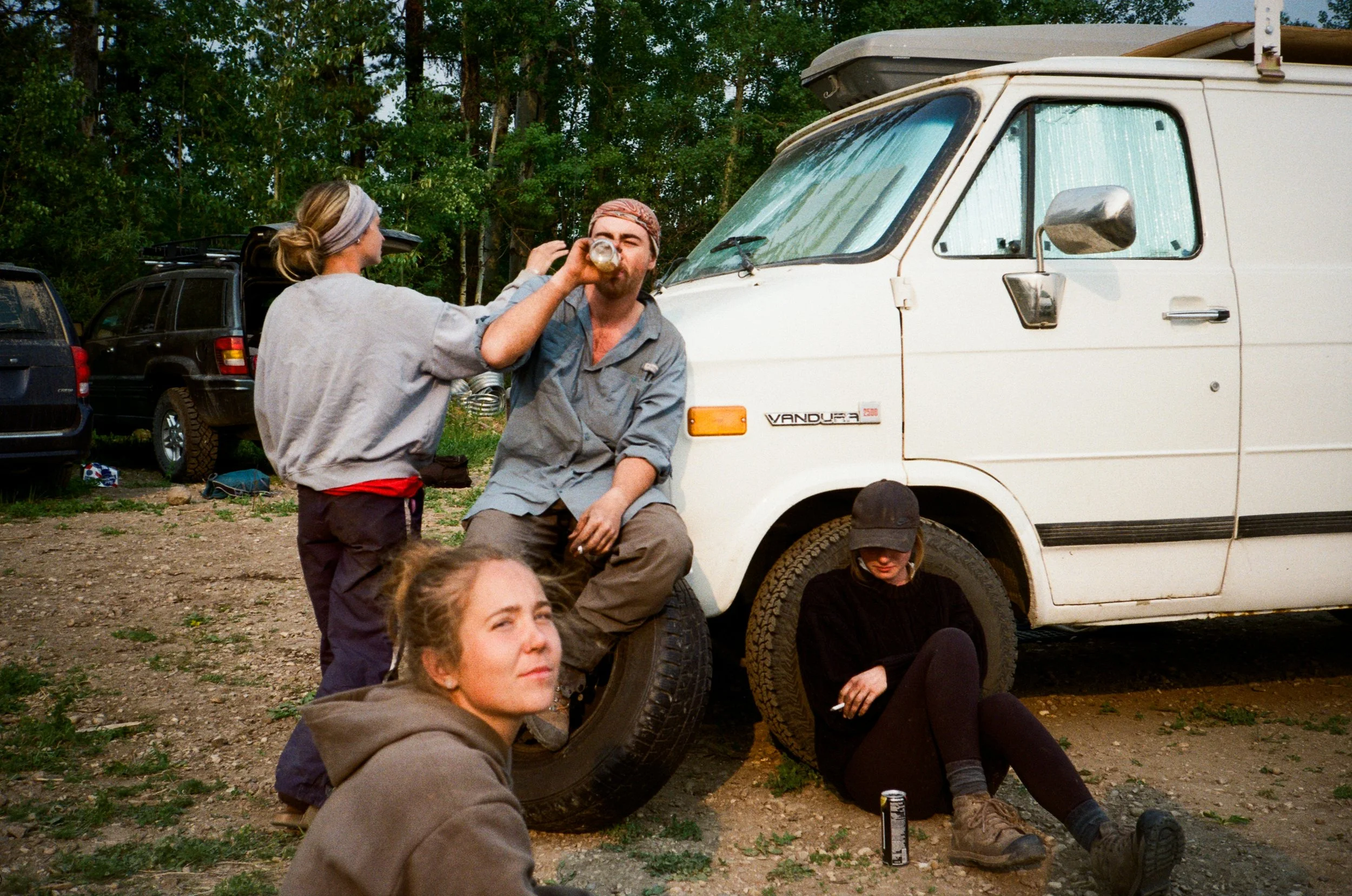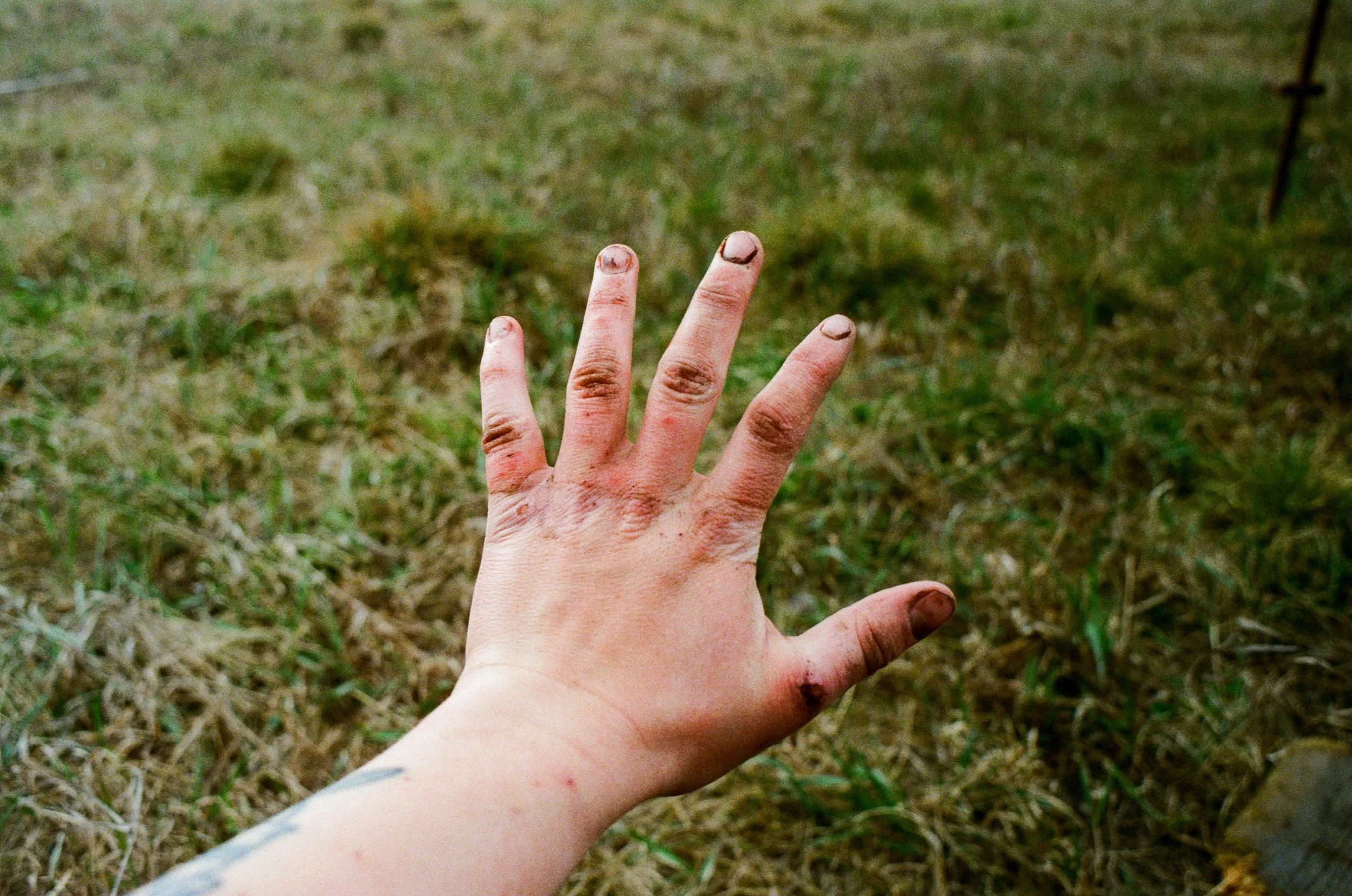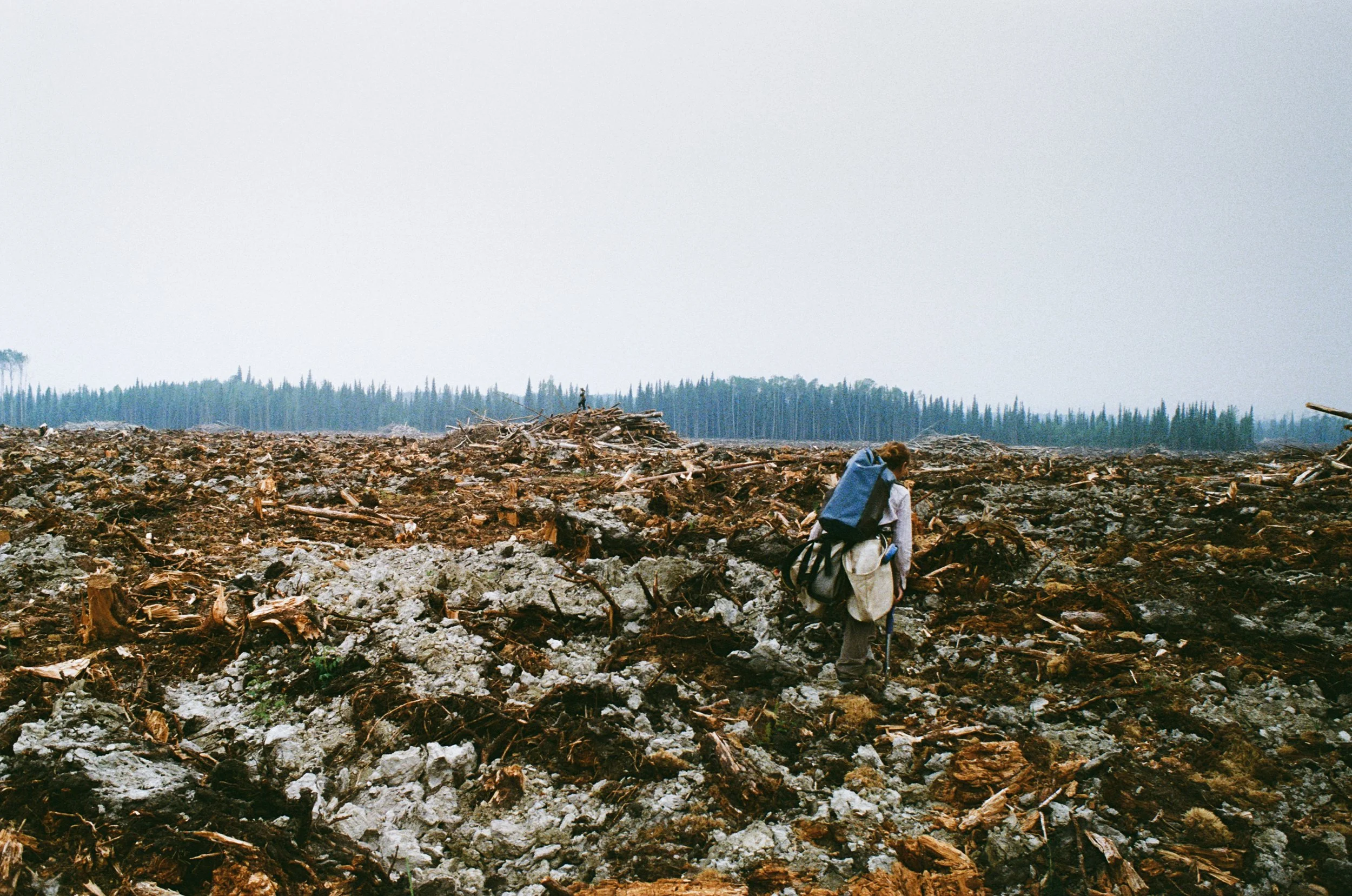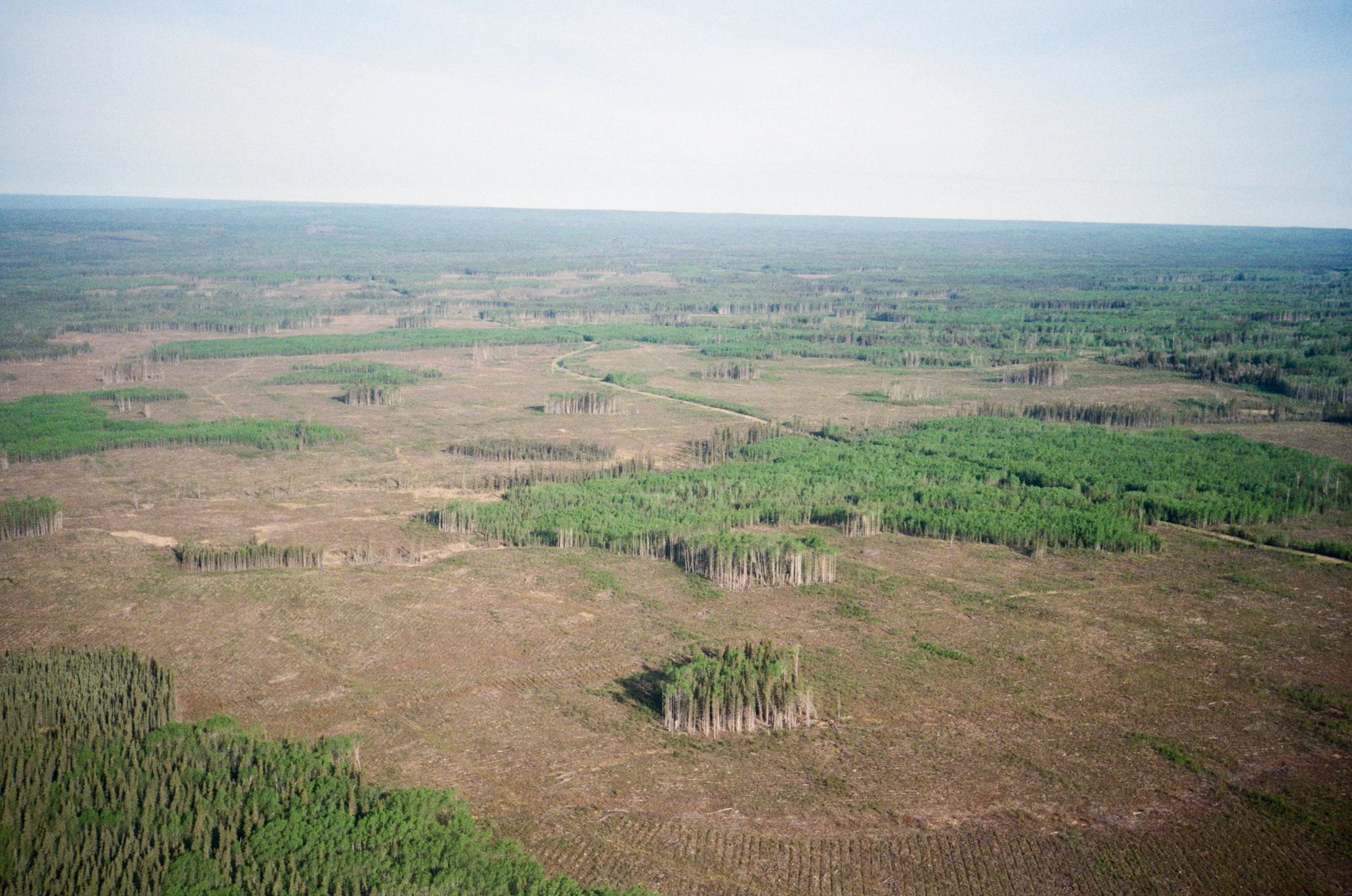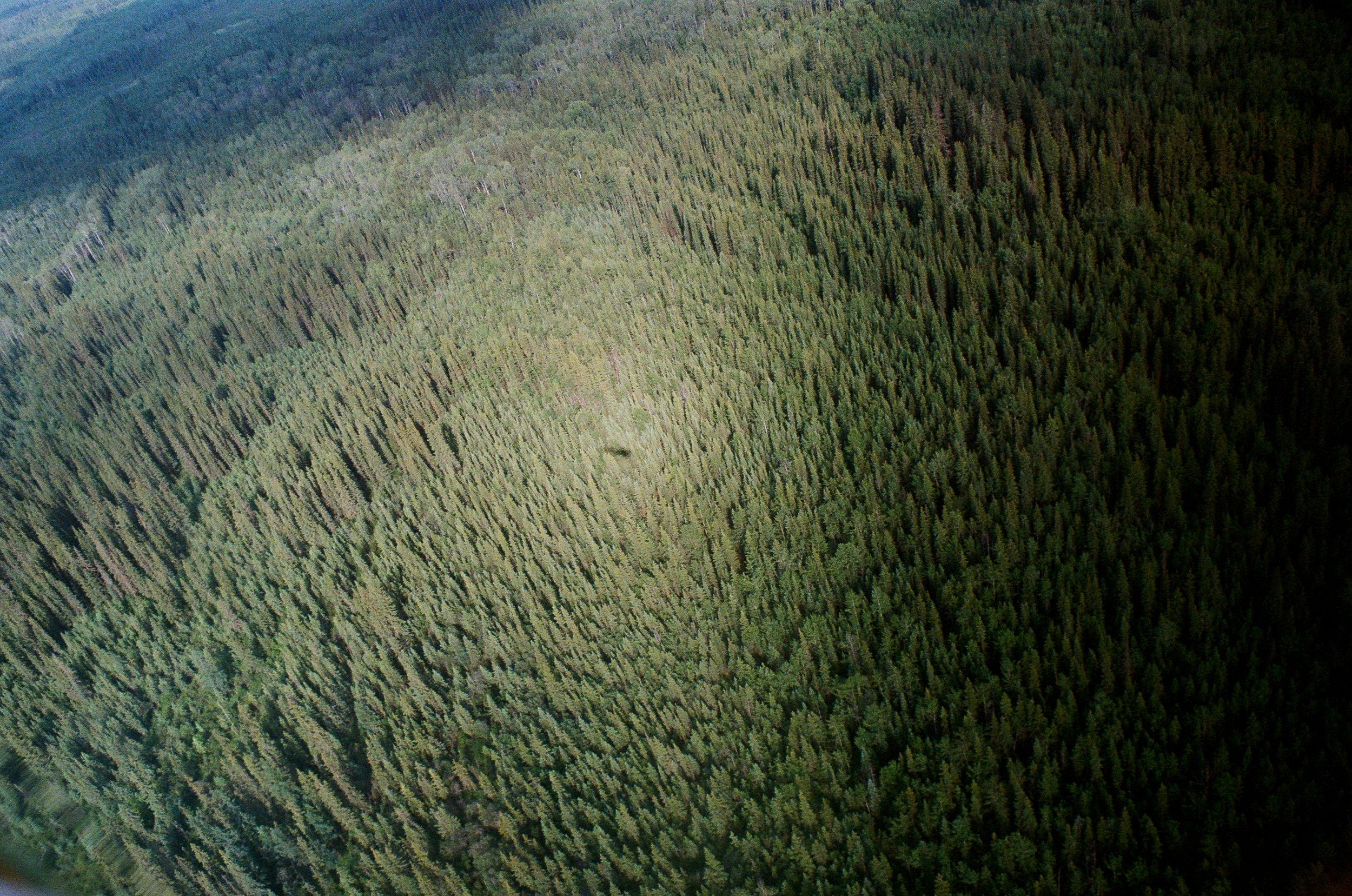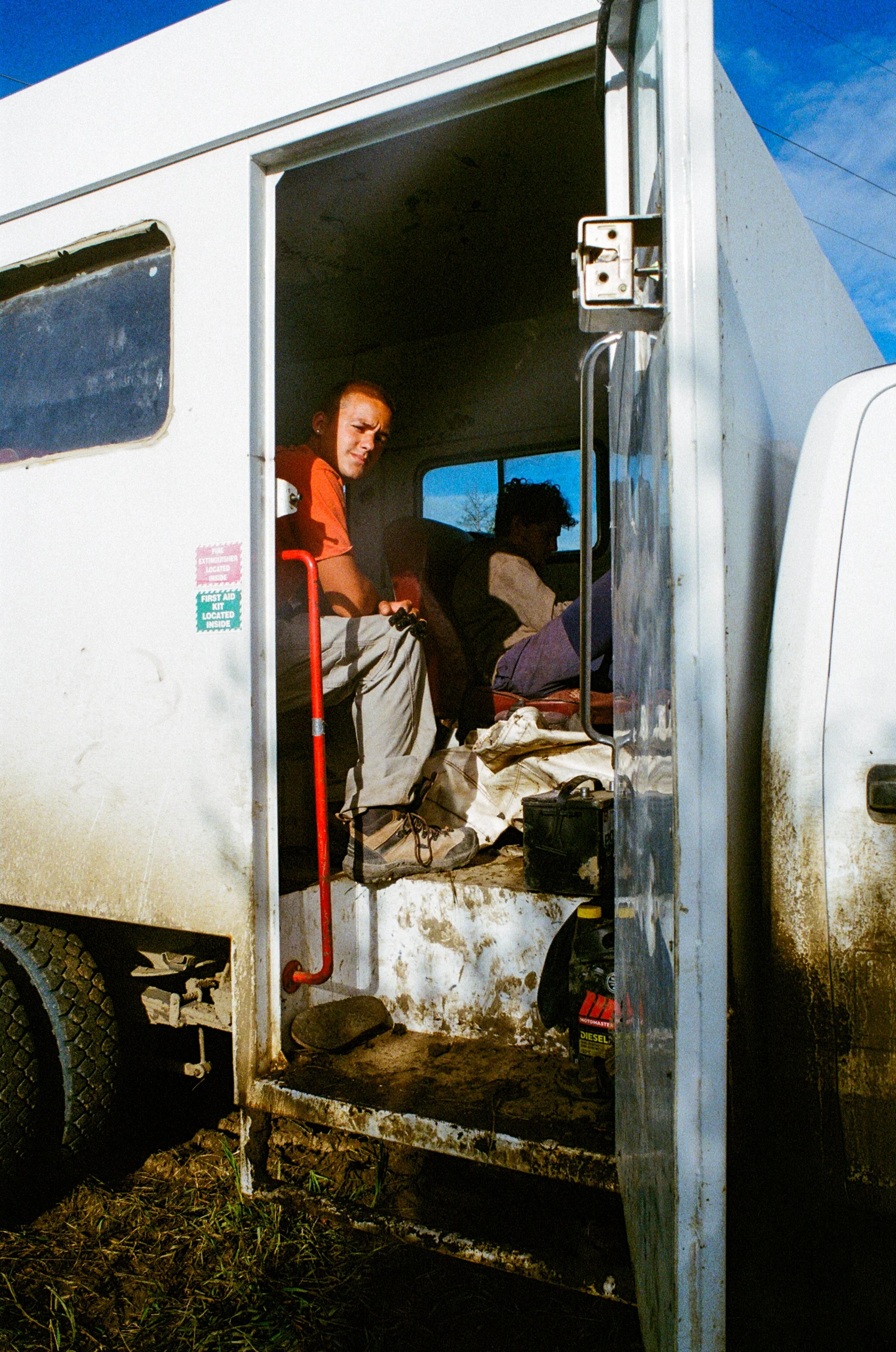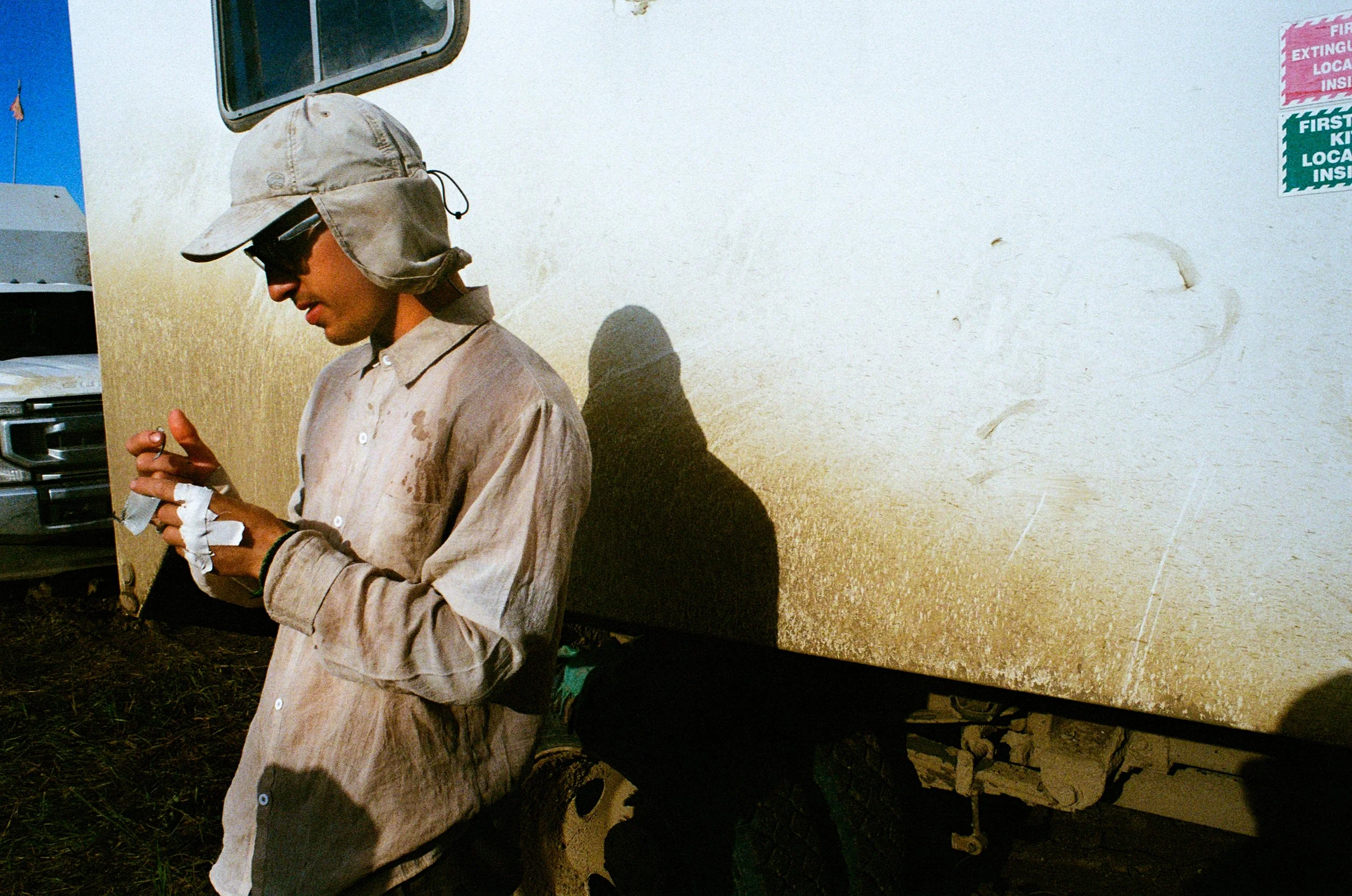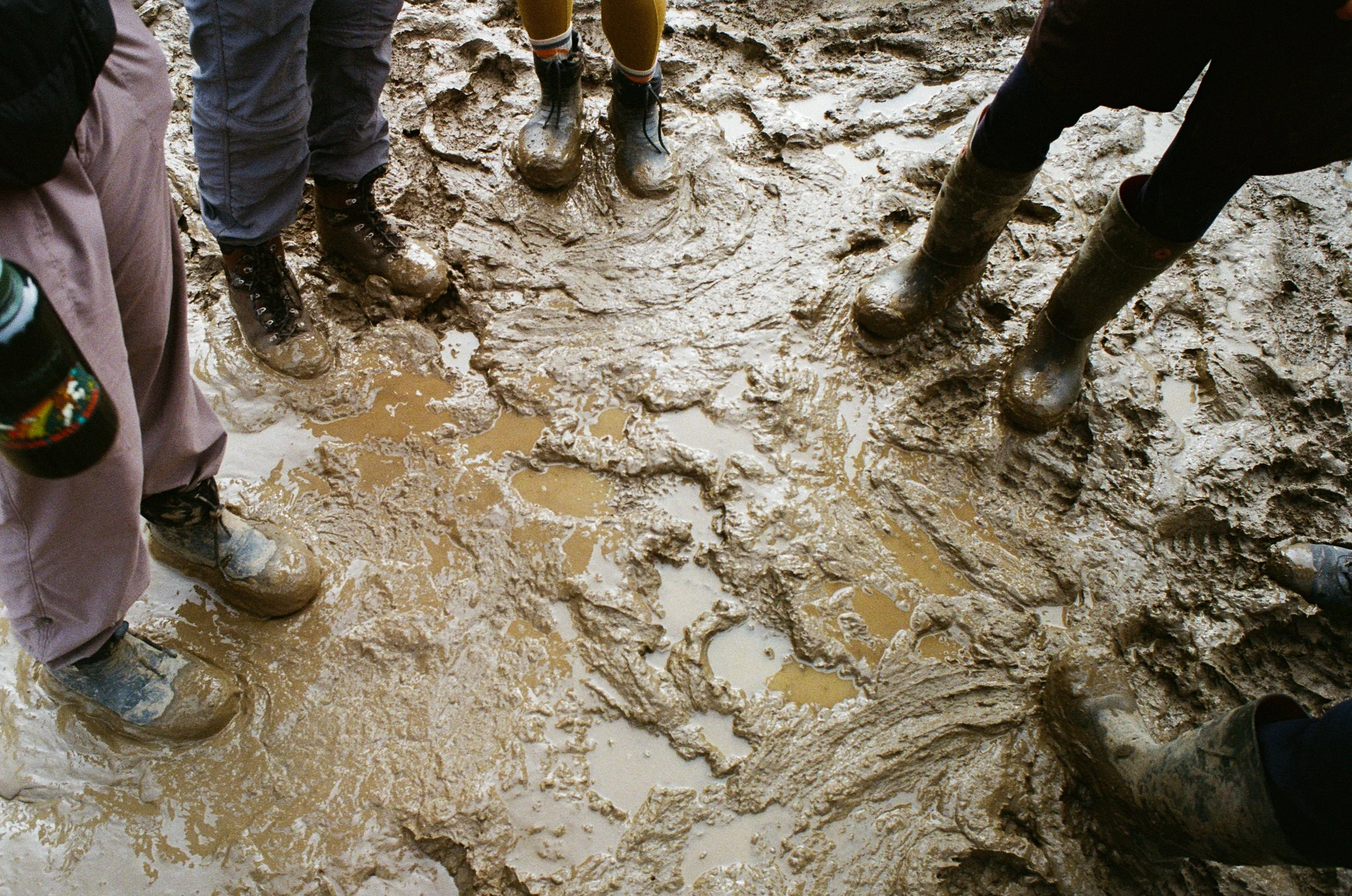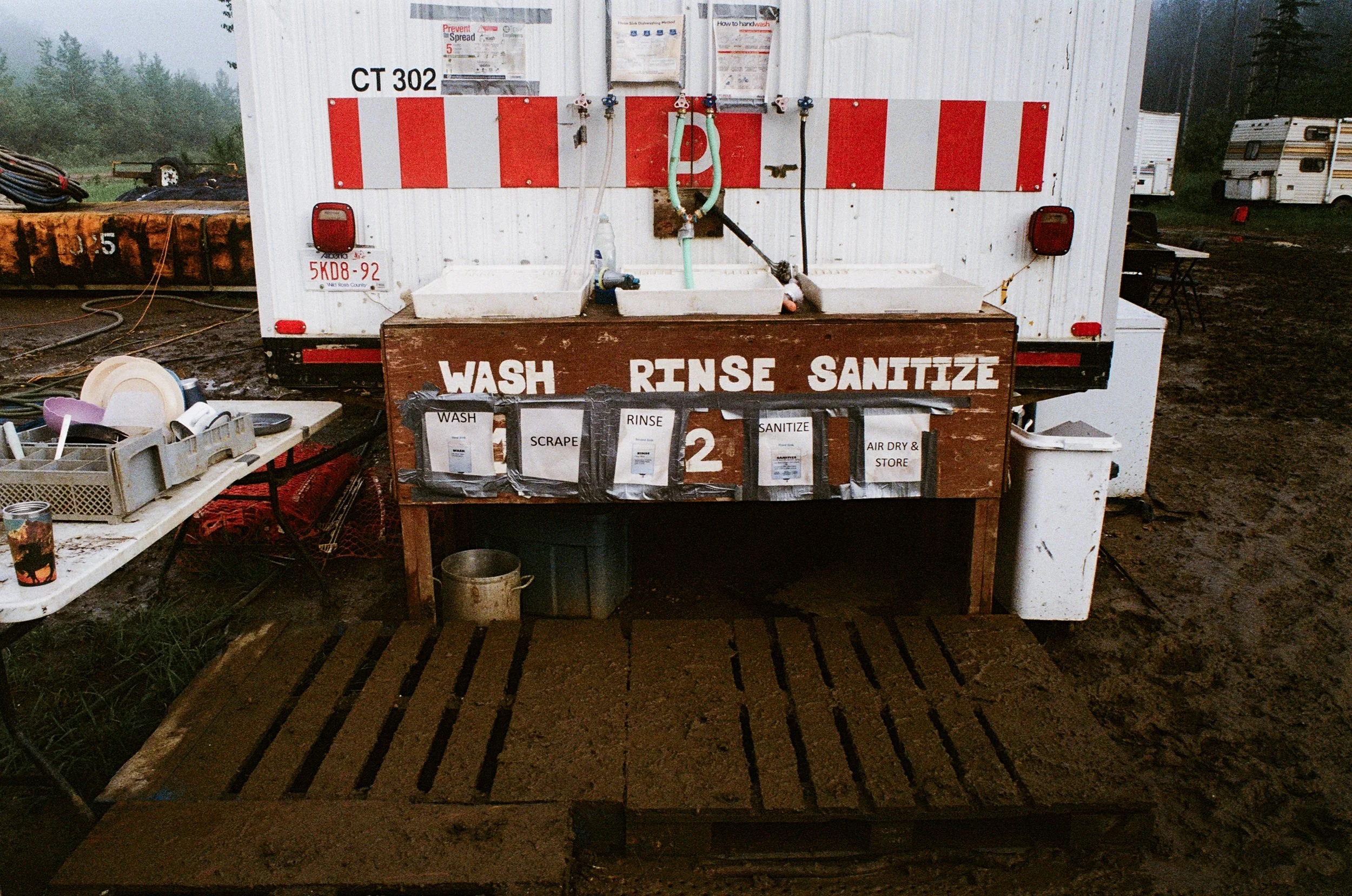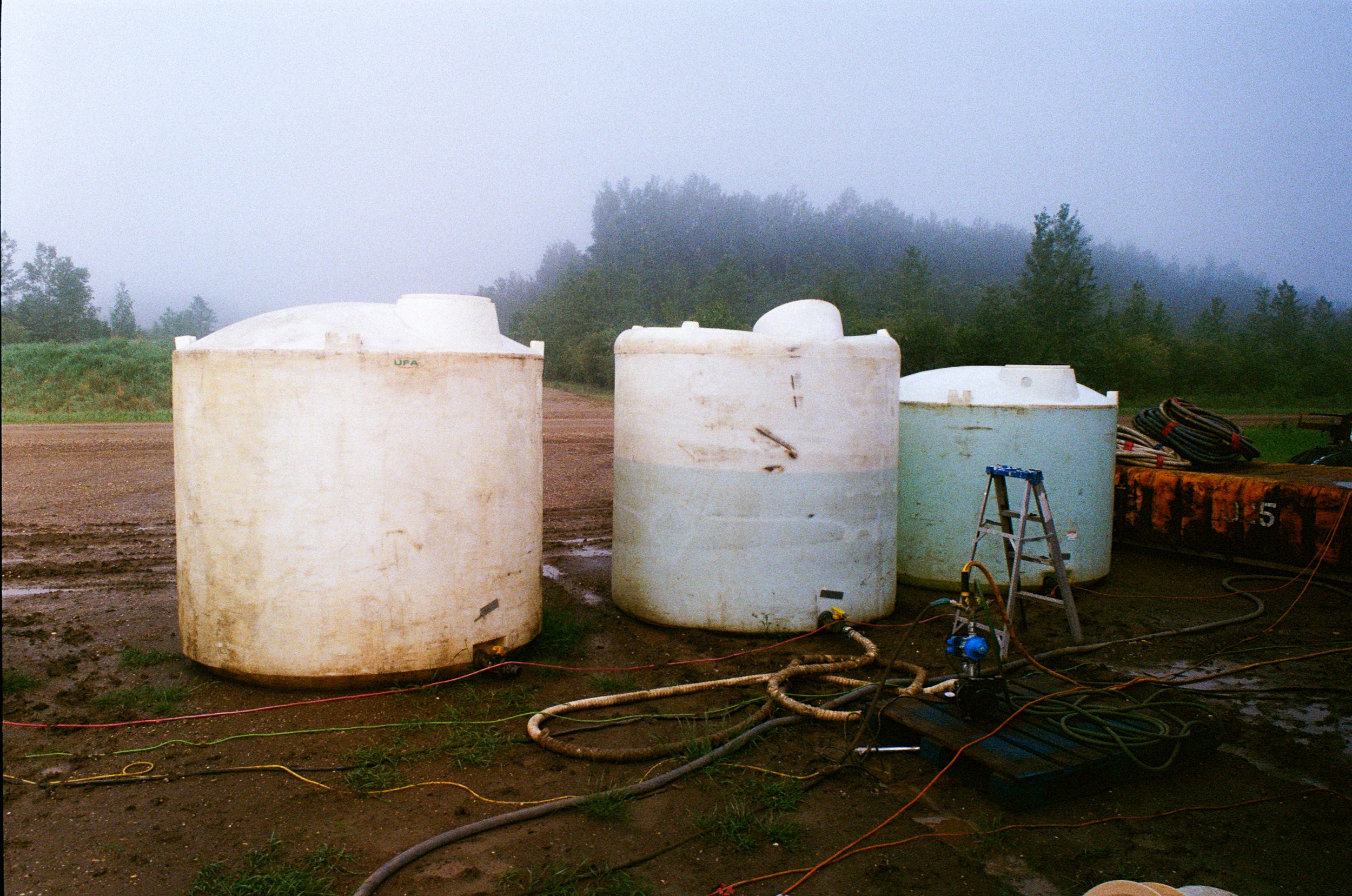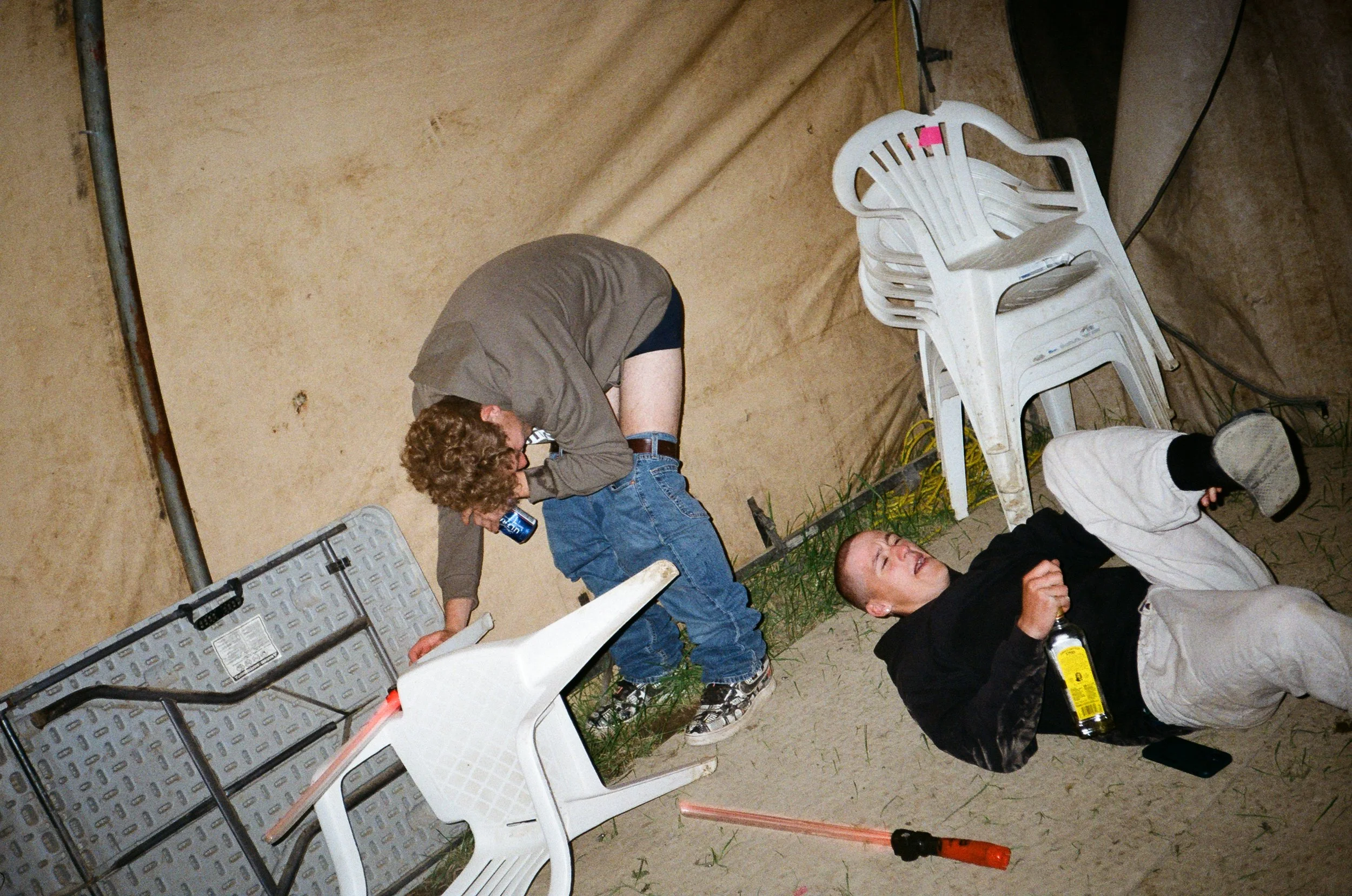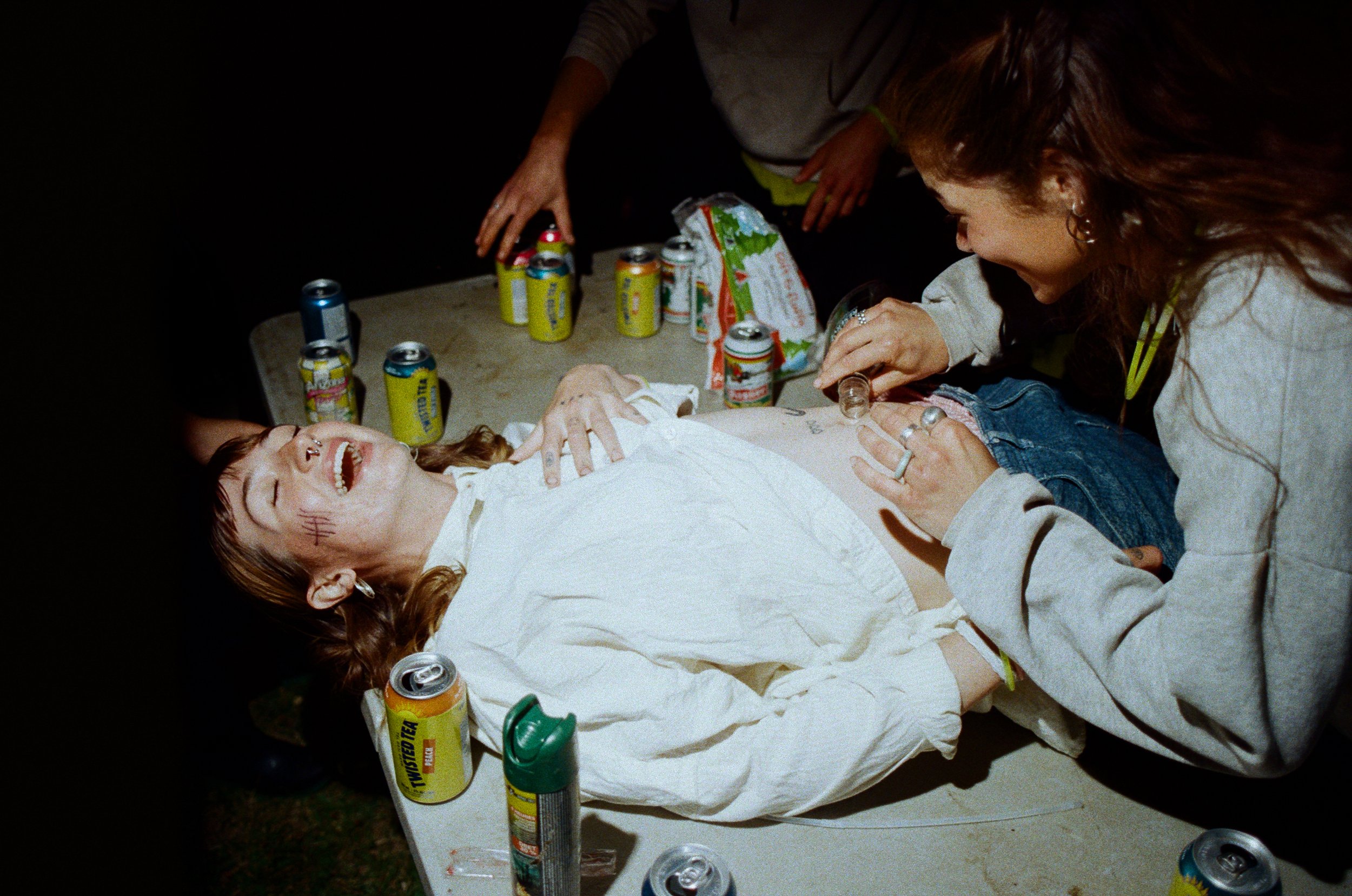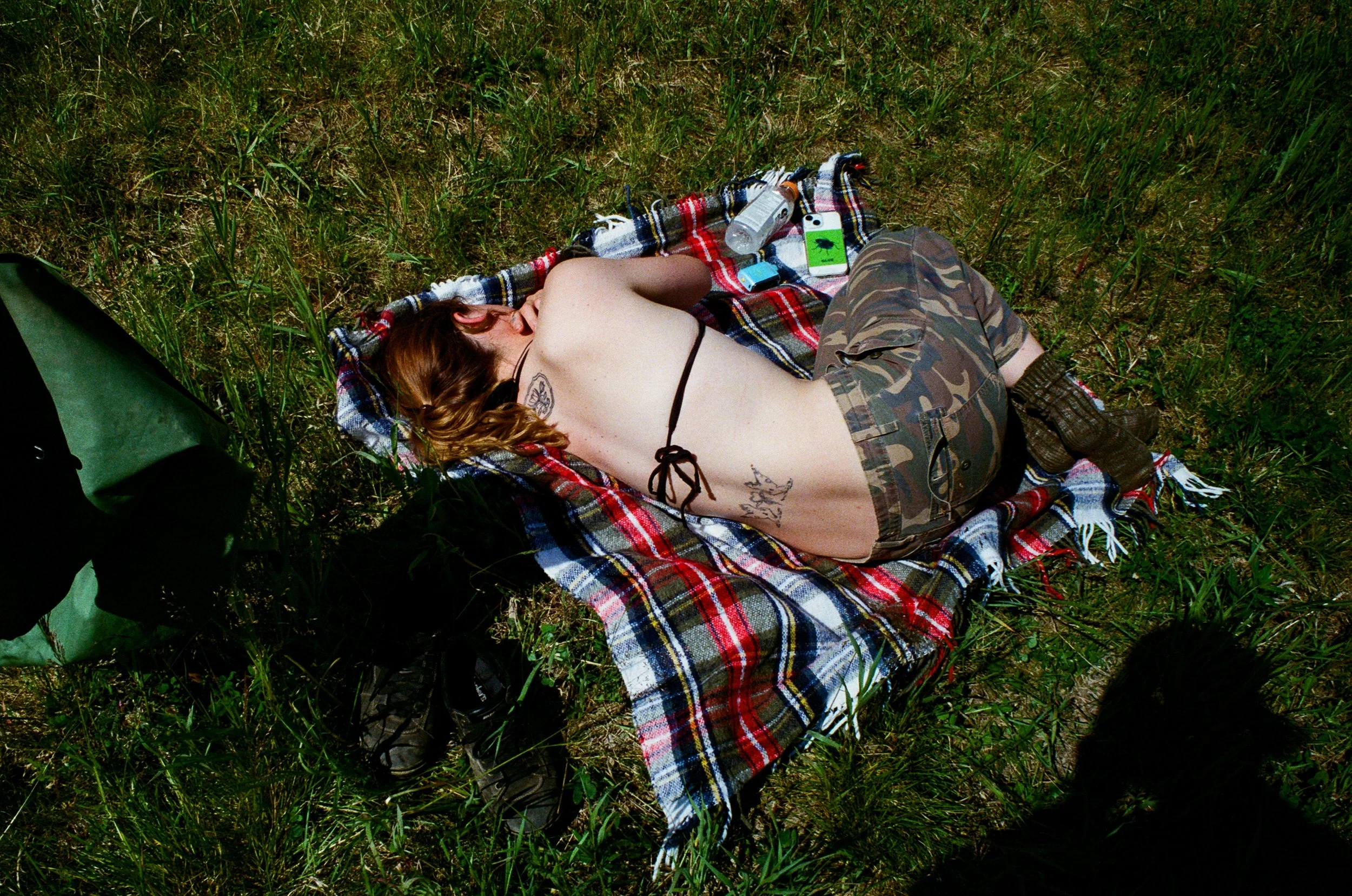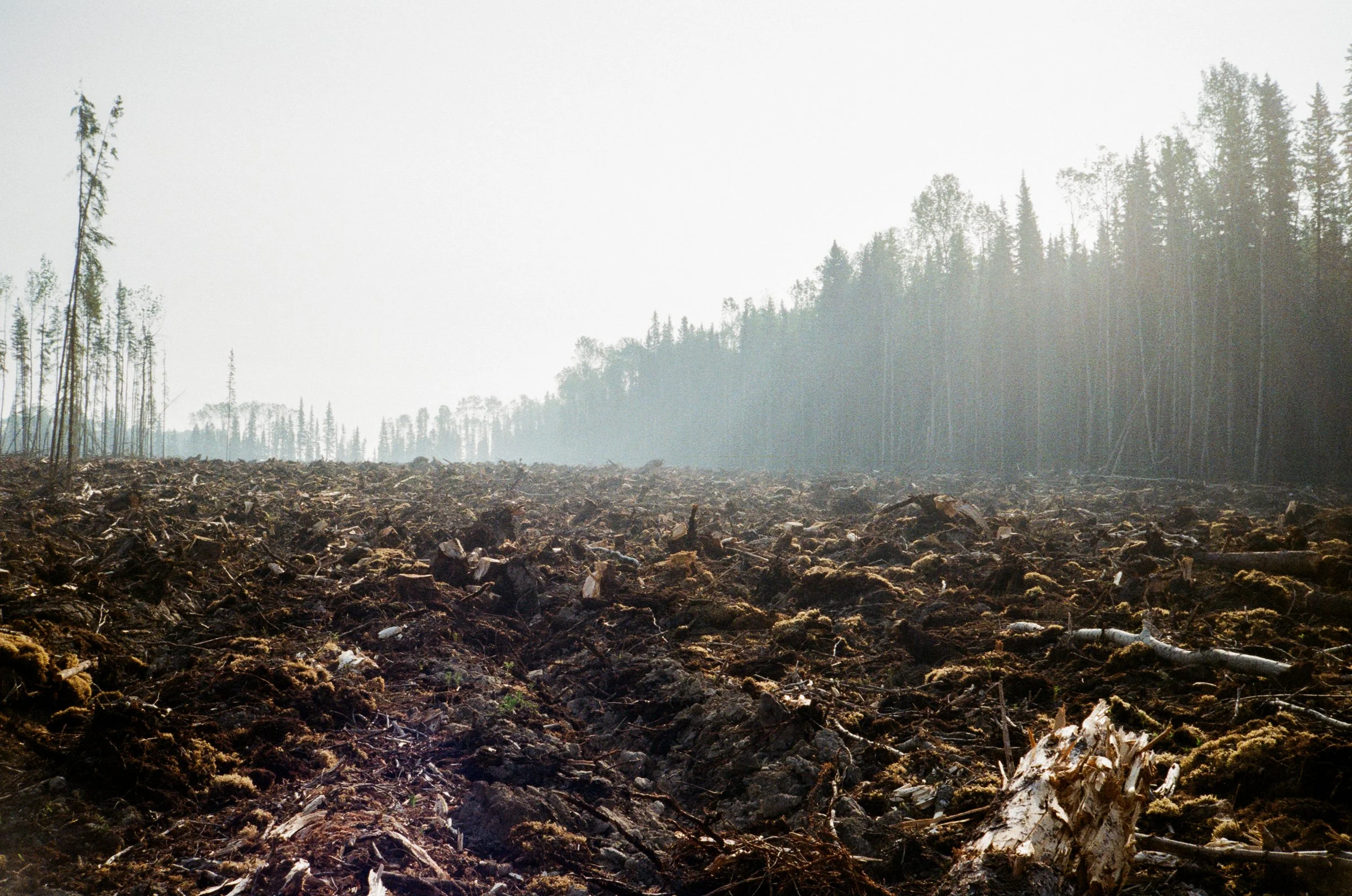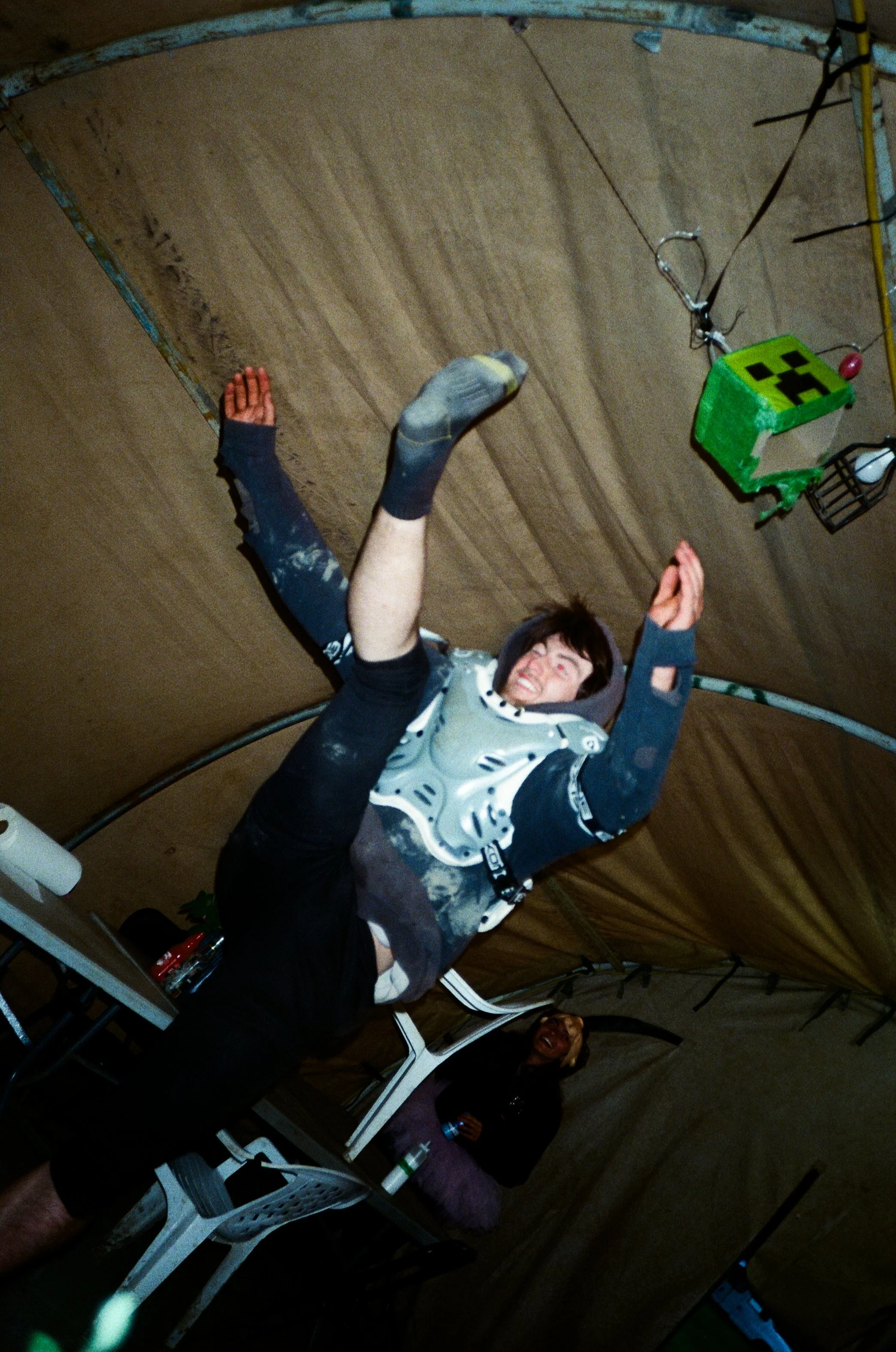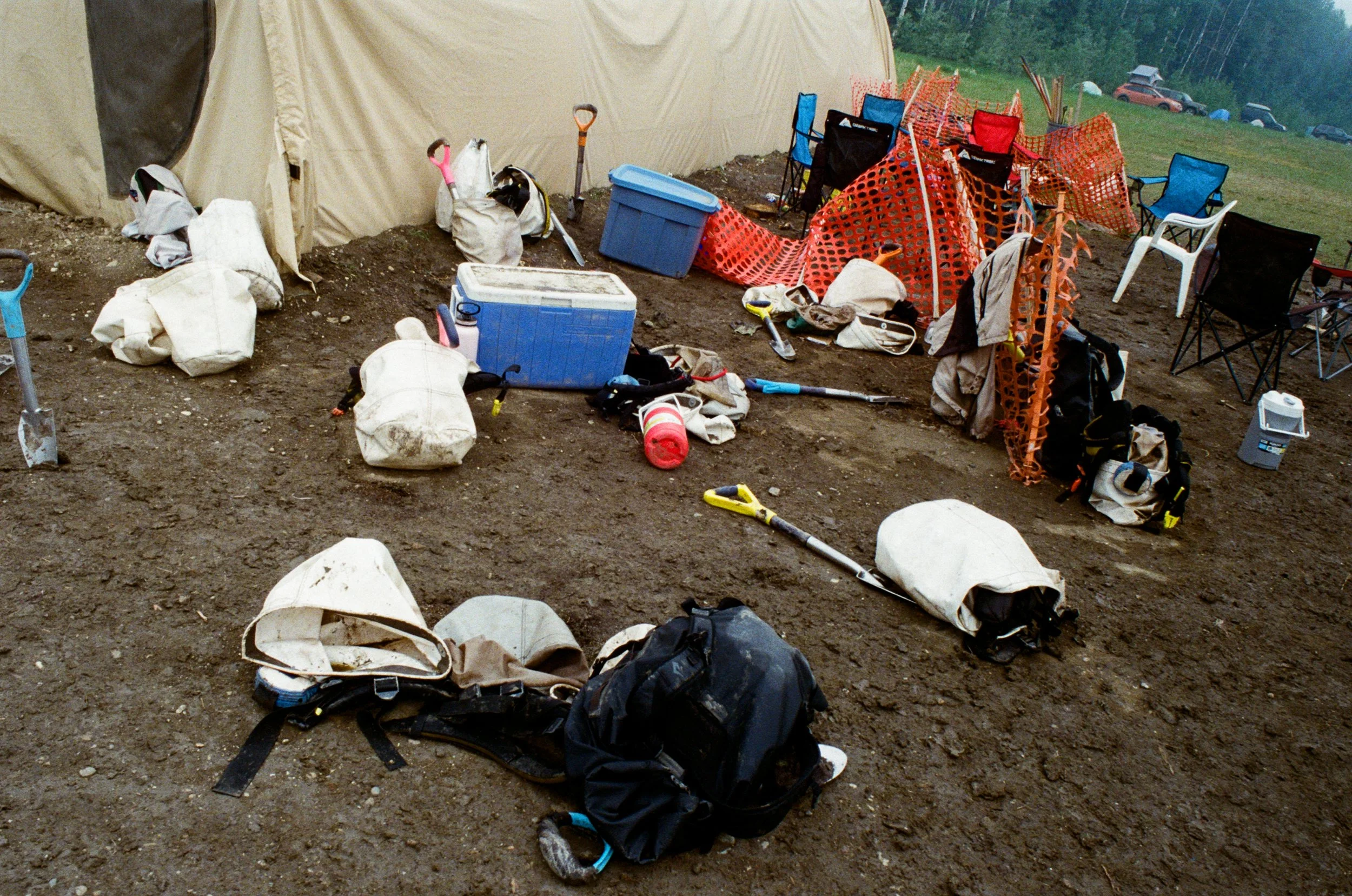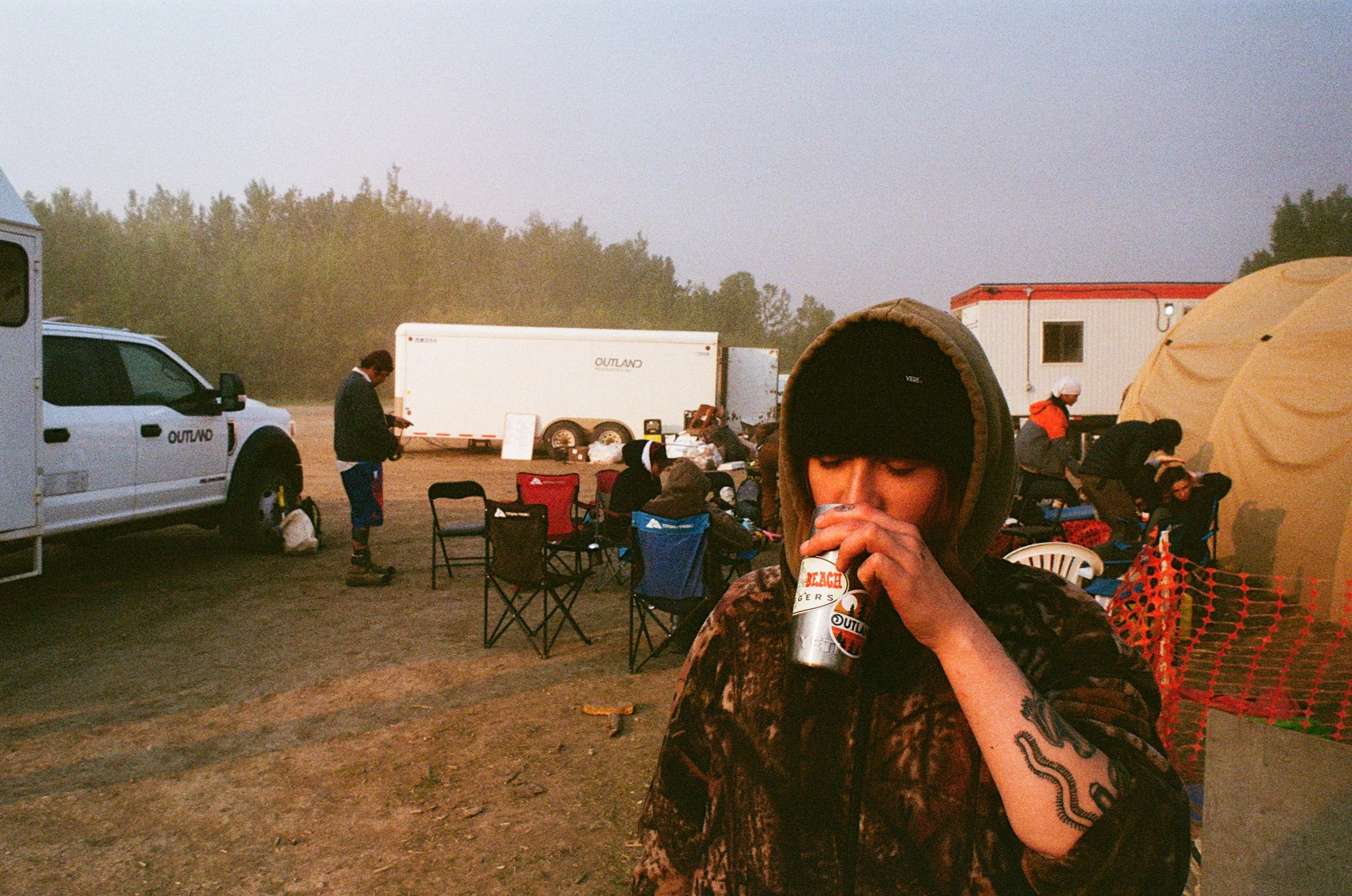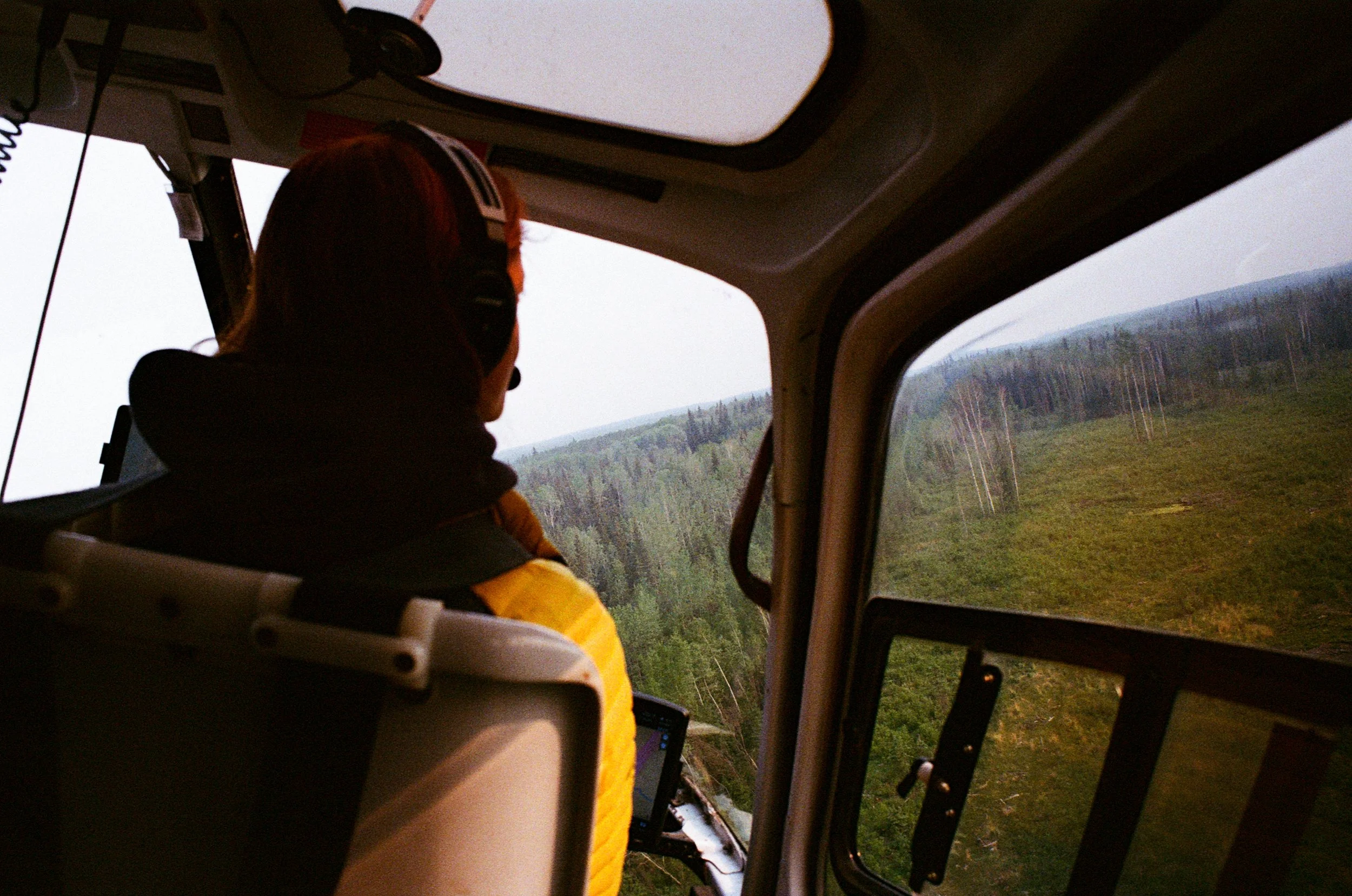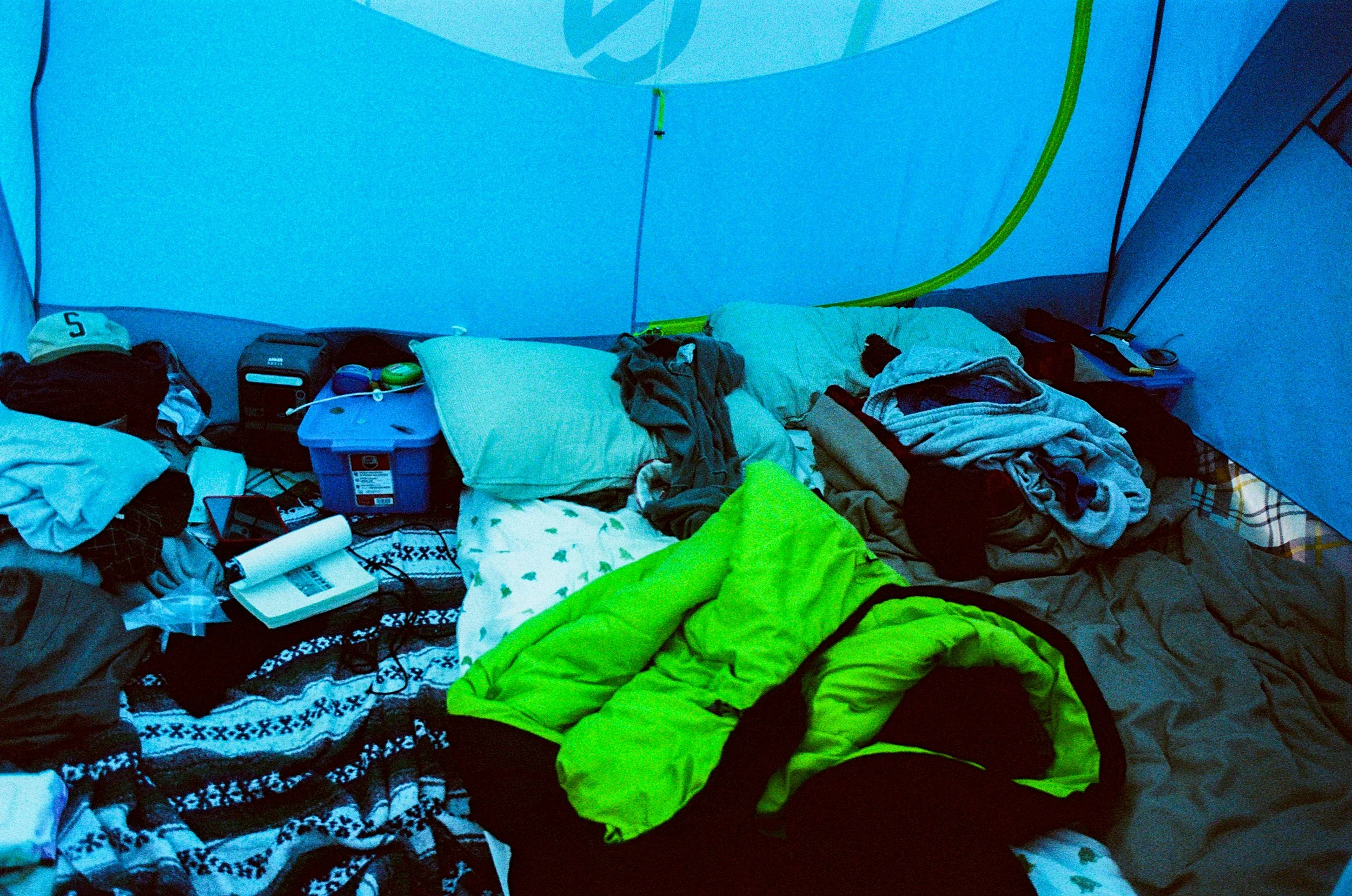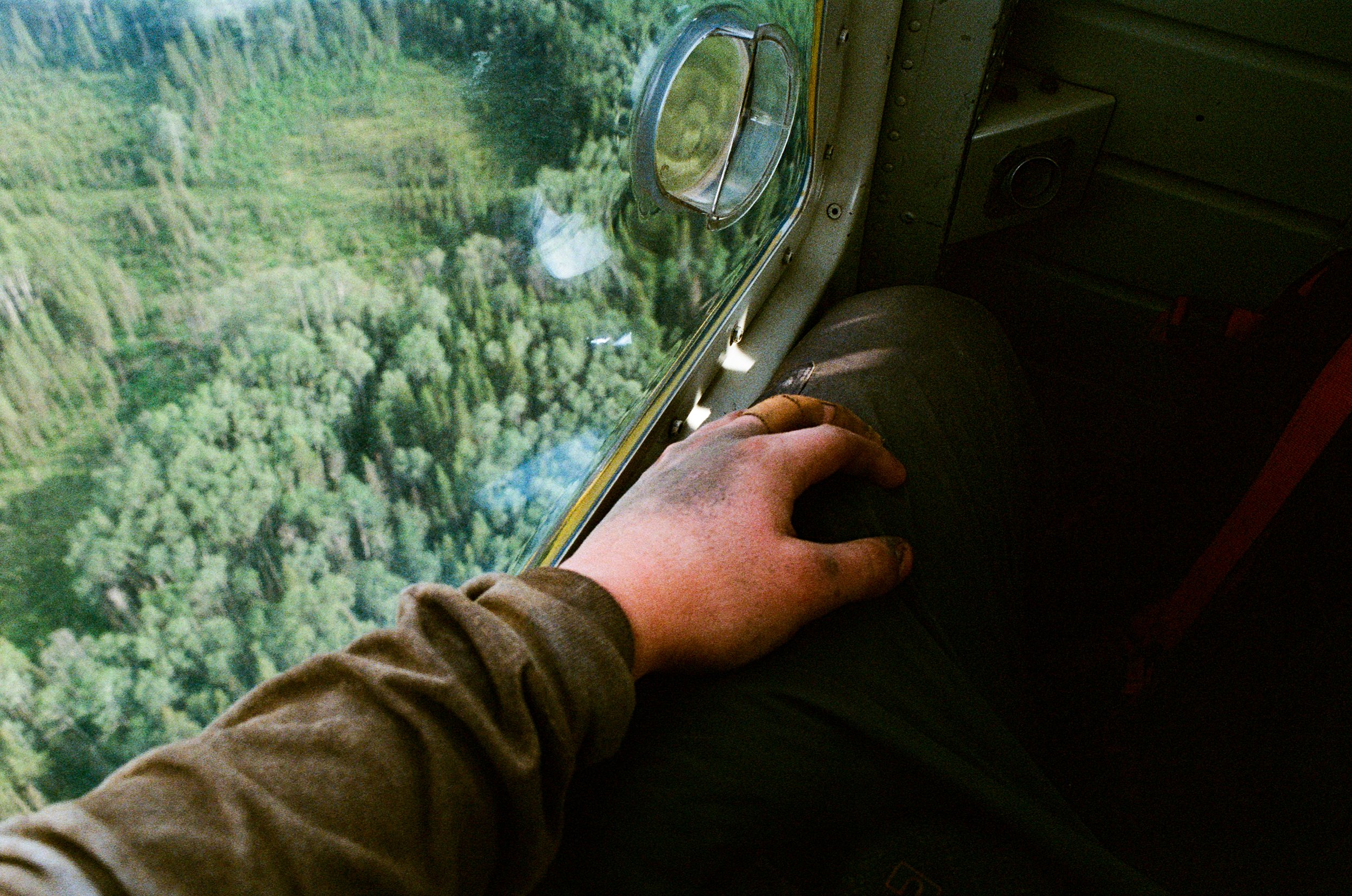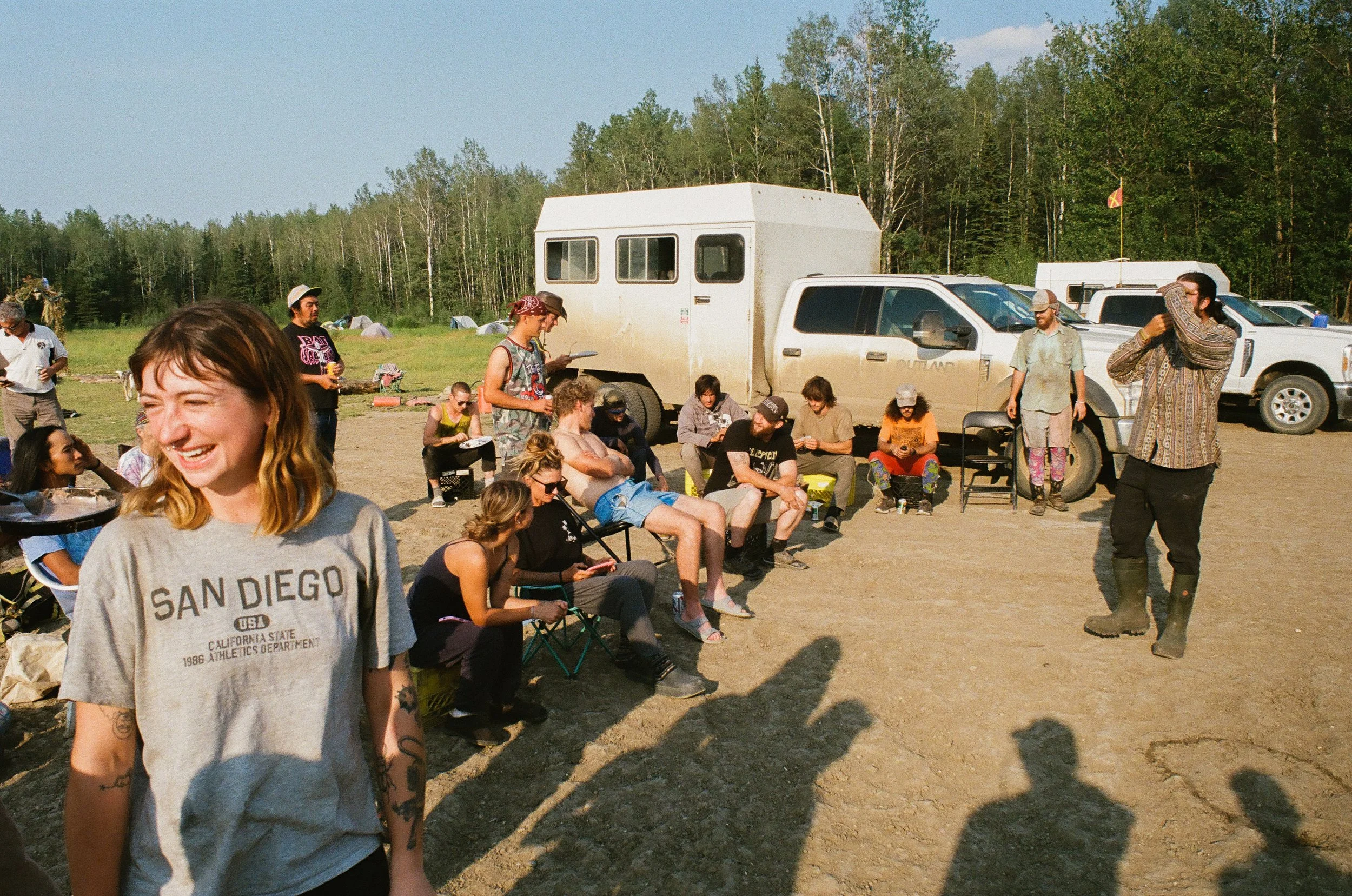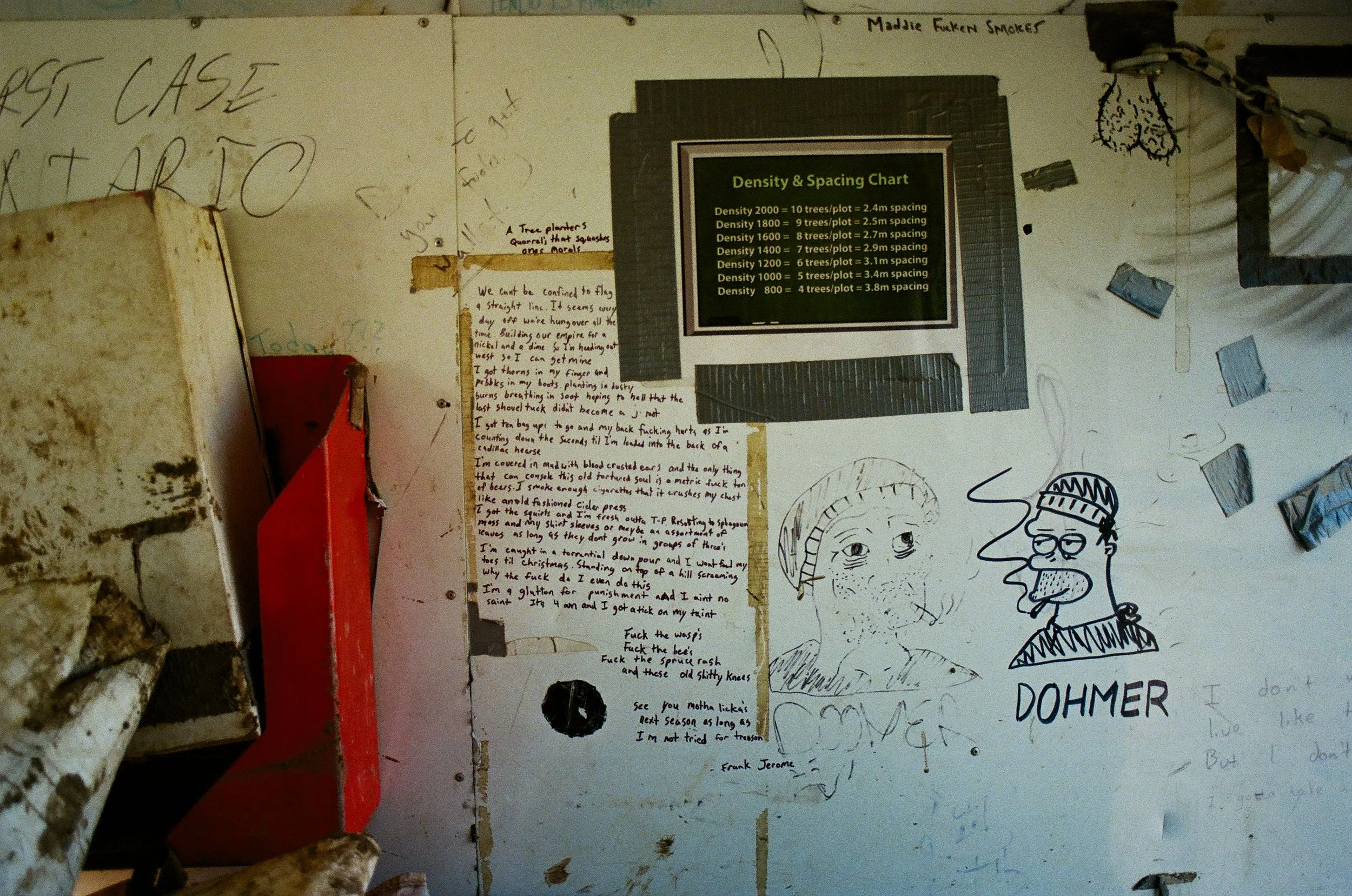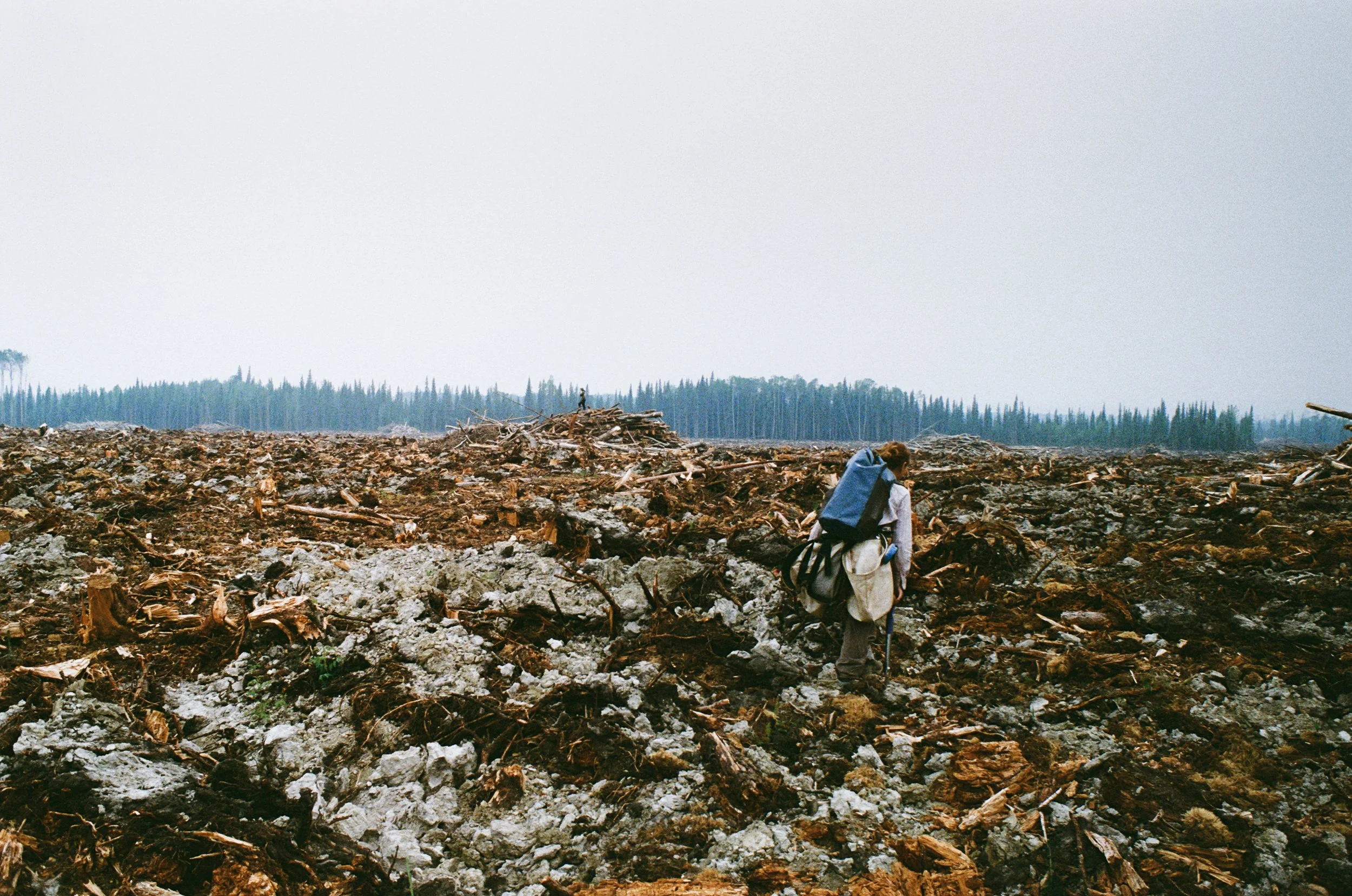
Every May, thousands of young people leave cities, classrooms, and digital routines to migrate into the remote forests of various Canadian provinces. Most are university students; others are seasonal workers or wanderers looking for something they can’t quite name. For two to three months, they live in temporary camps deep in the bush, reachable only by logging roads. The work is repetitive and grueling. Each day begins early and quickly: eat, load into trucks or helicopters, and arrive at large stretches of newly exposed earth. With 40–50 pounds of saplings on their hips, planters work alone for 8–9 hours, crossing slash and fallen trees, planting anywhere from one to four thousand seedlings a day. A number that depends on terrain, weather, and their grit.
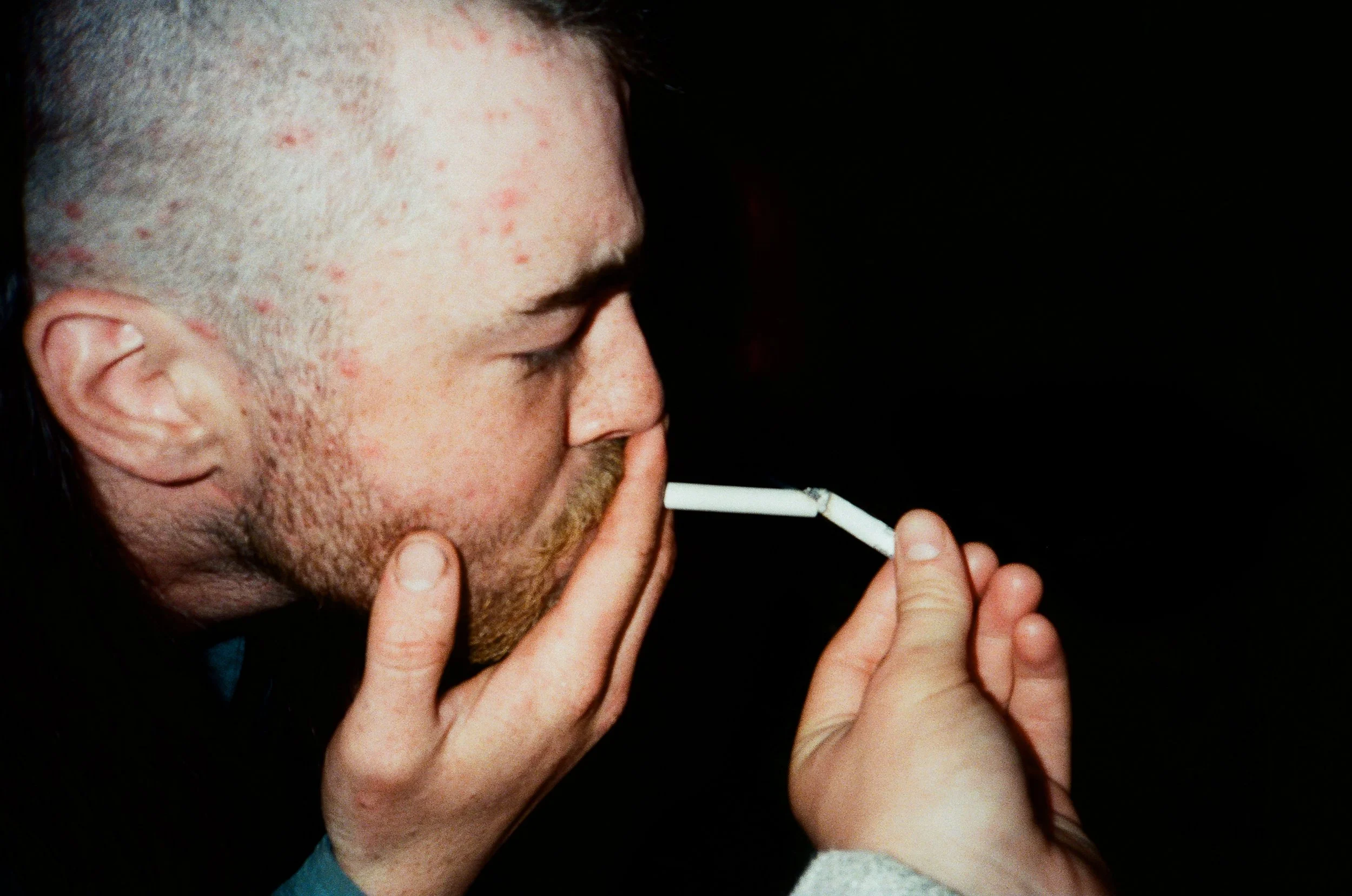
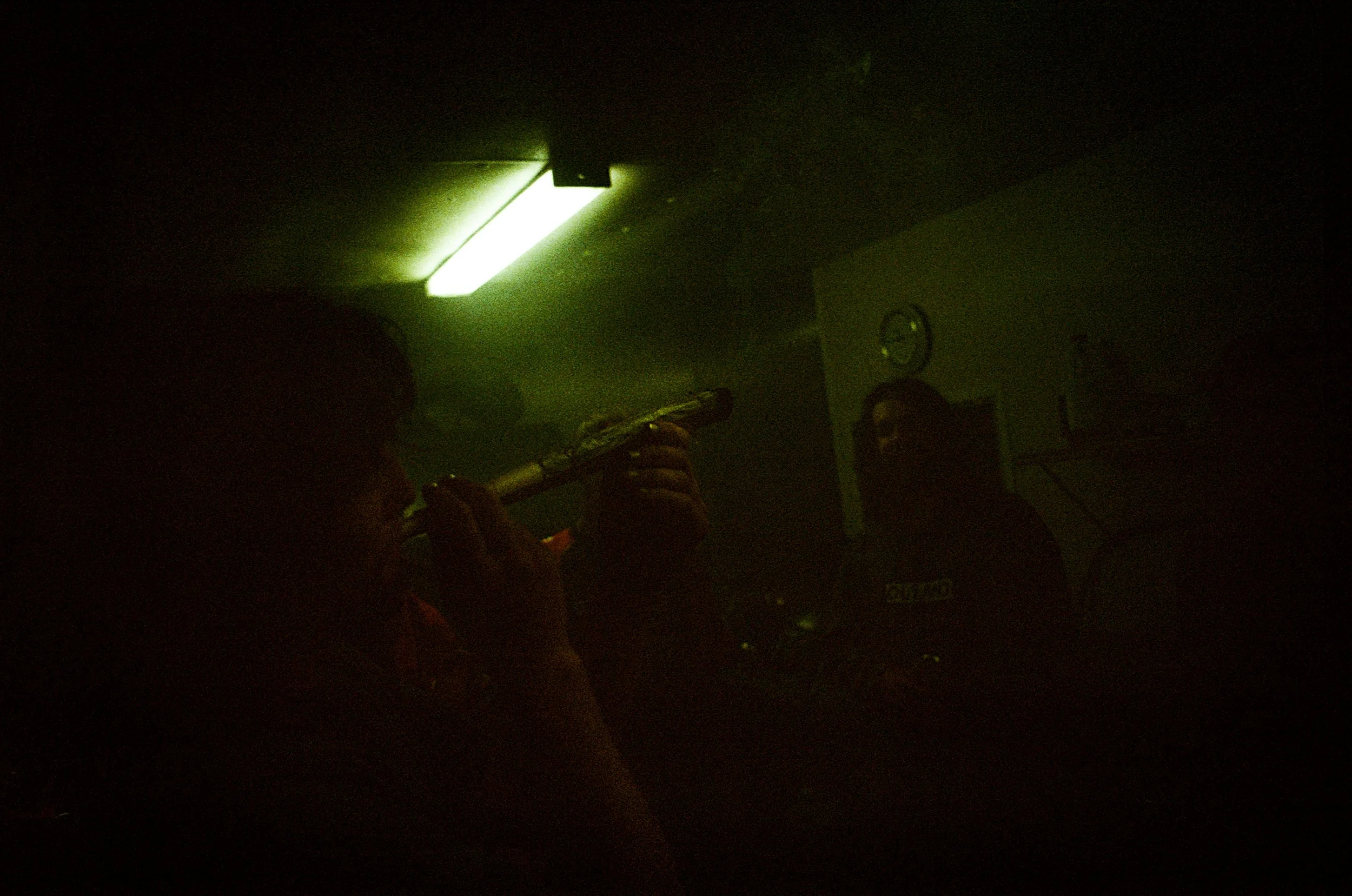
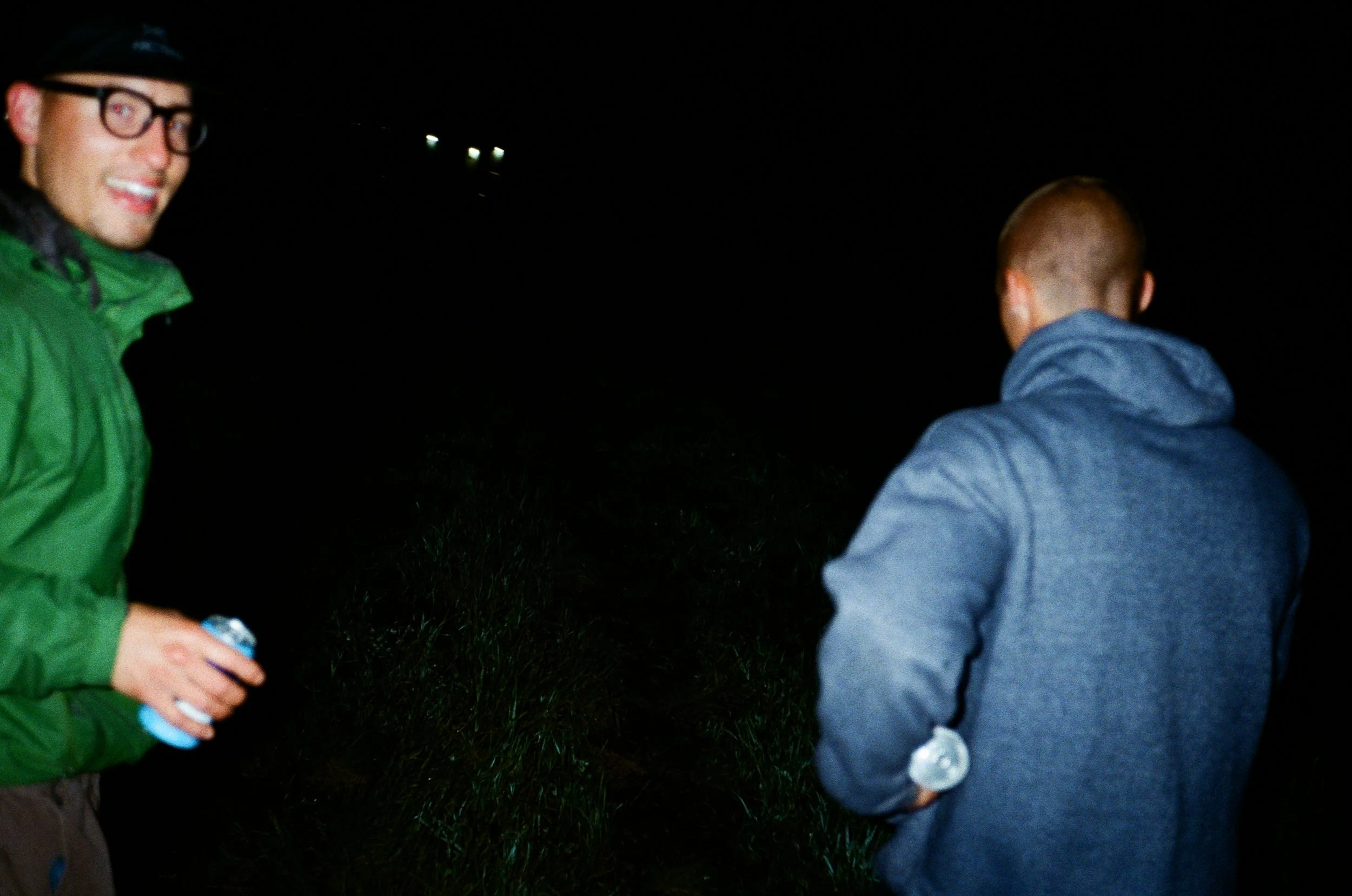
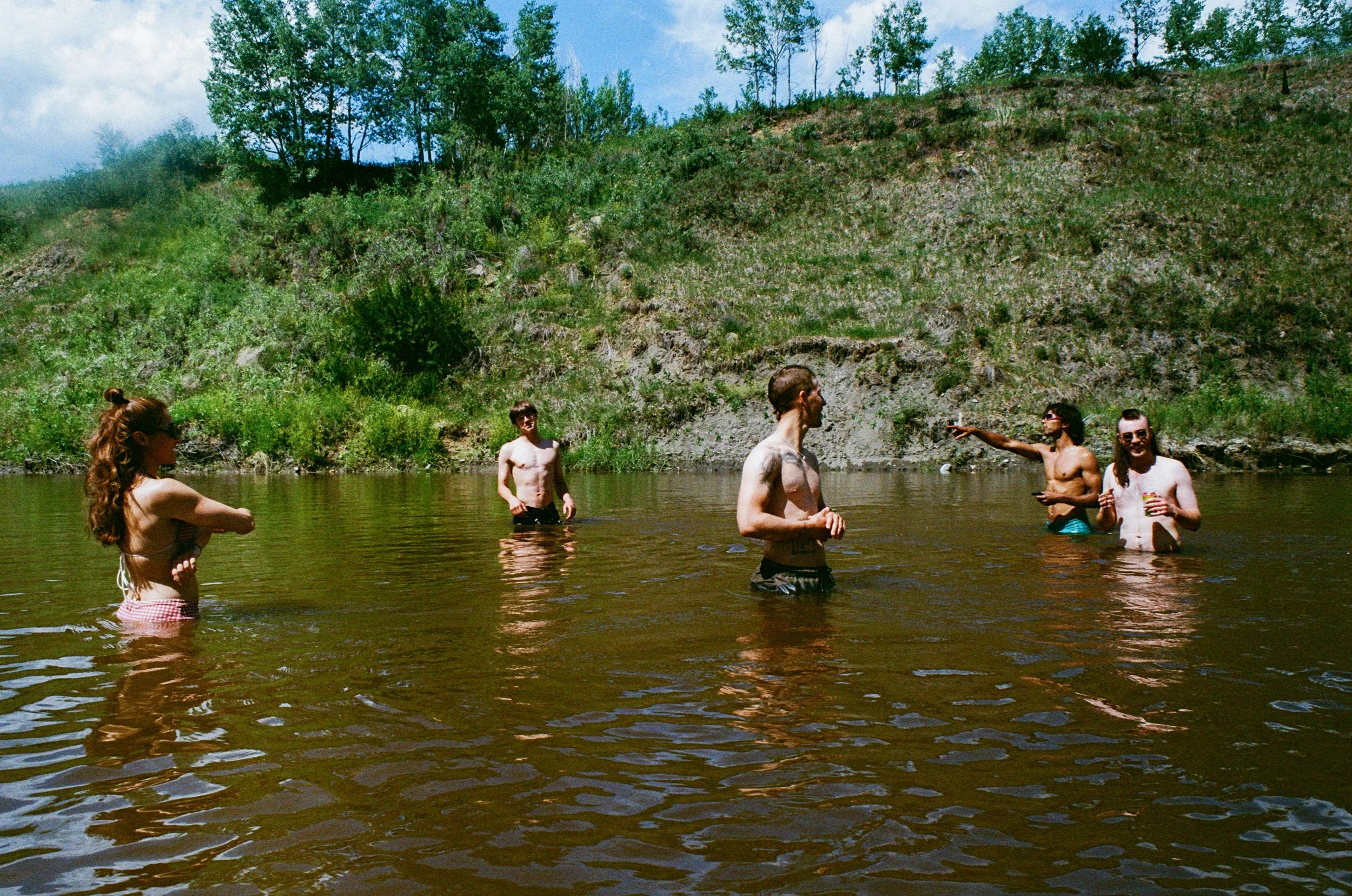
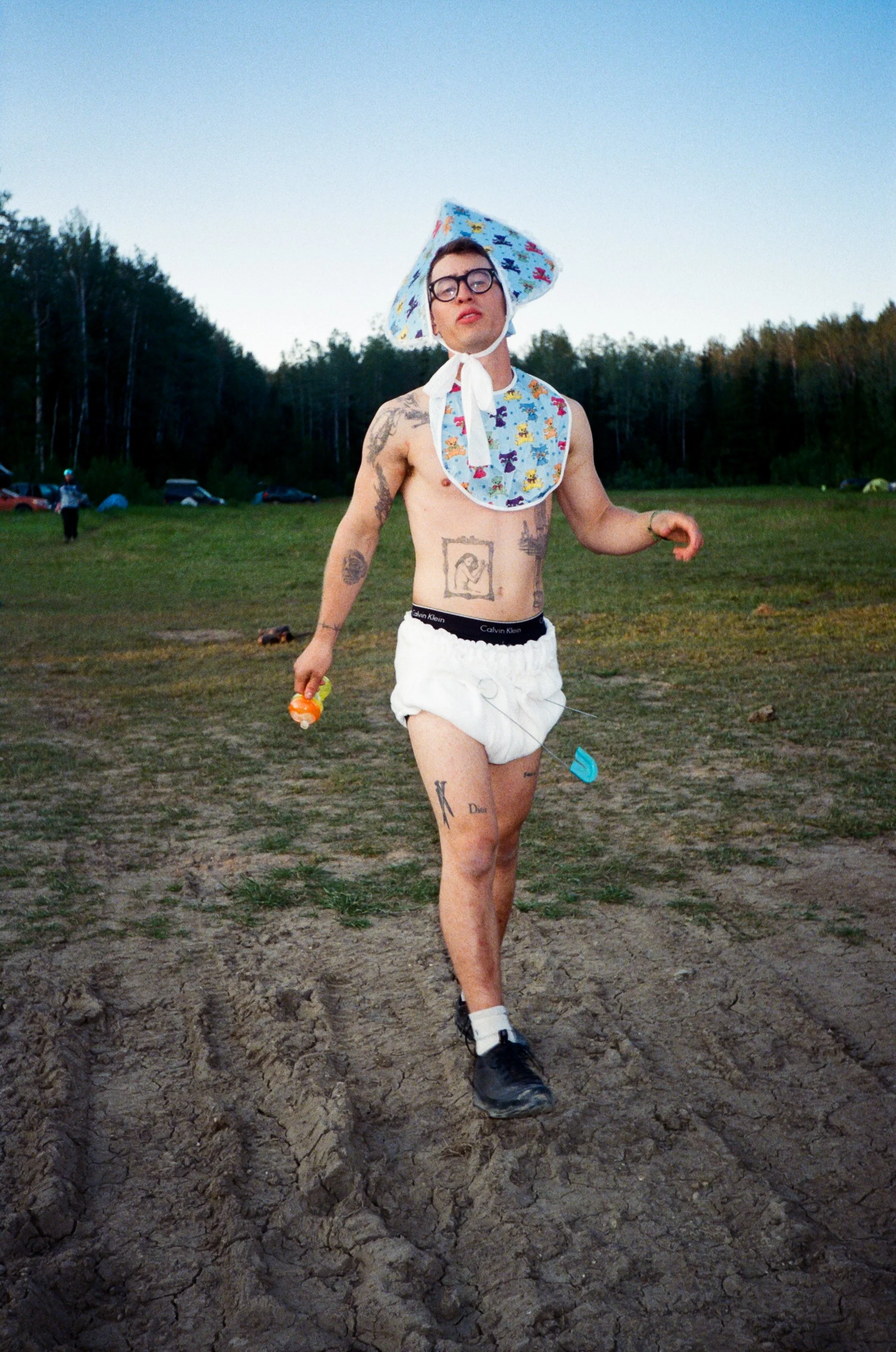
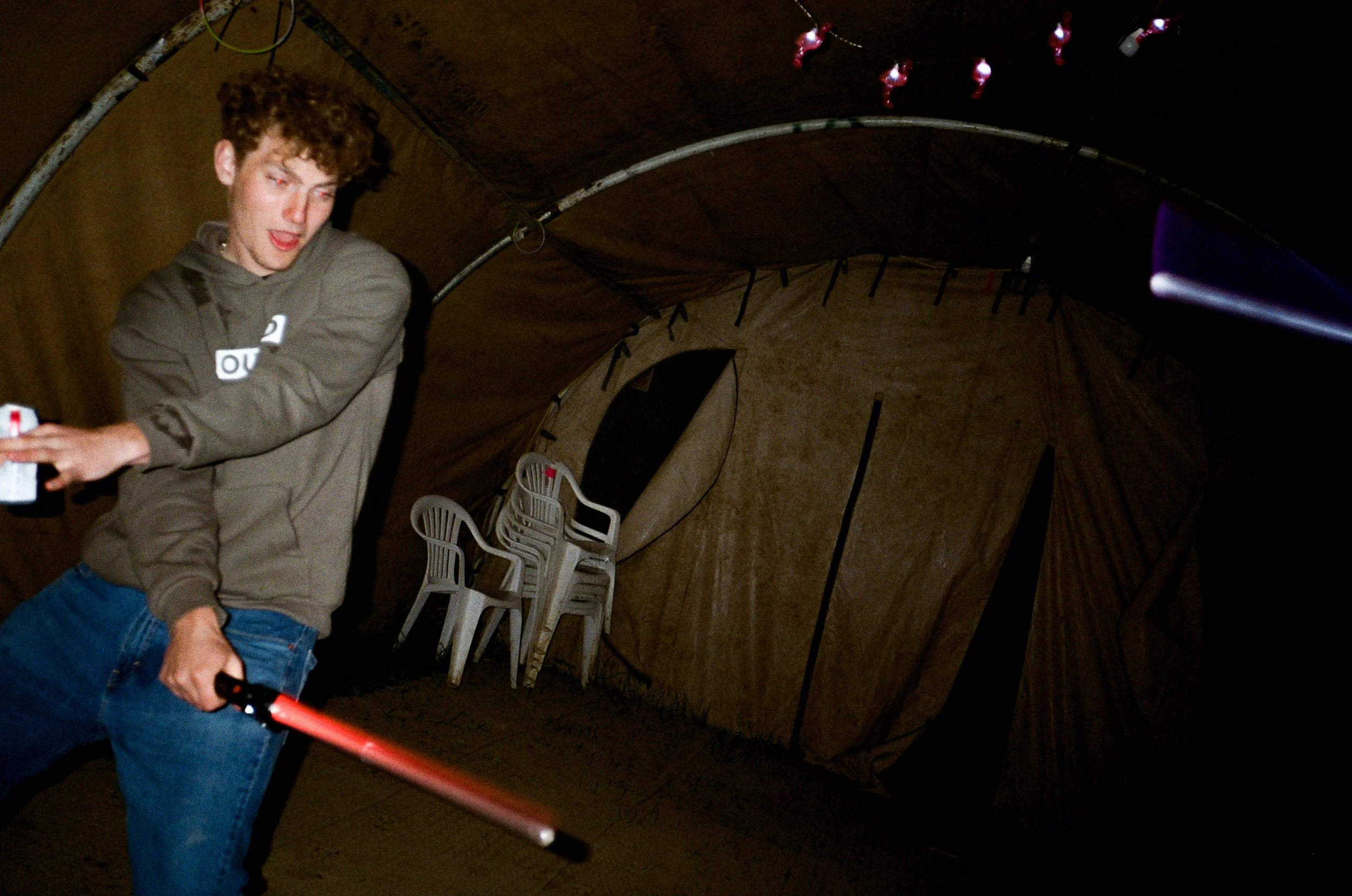
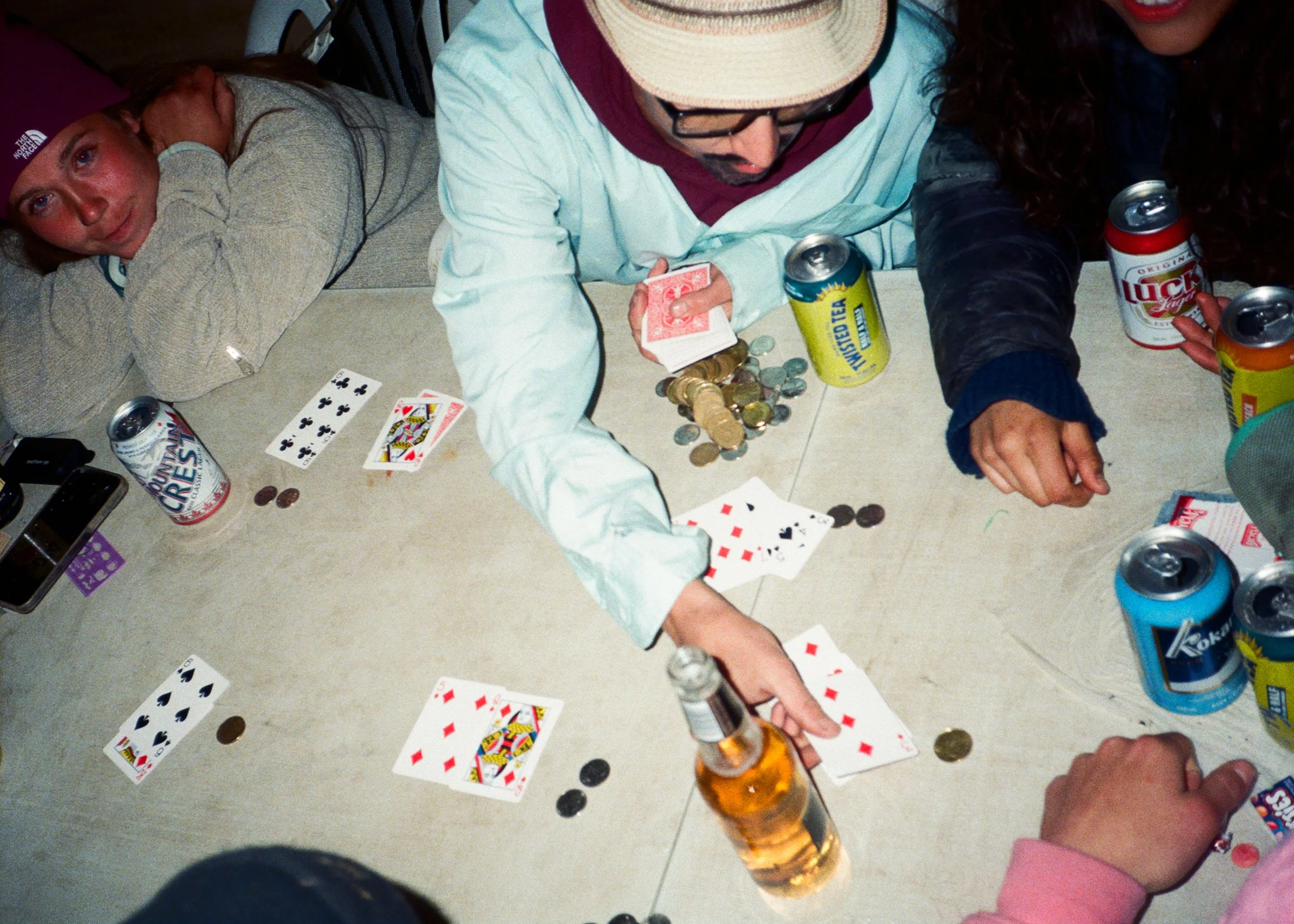
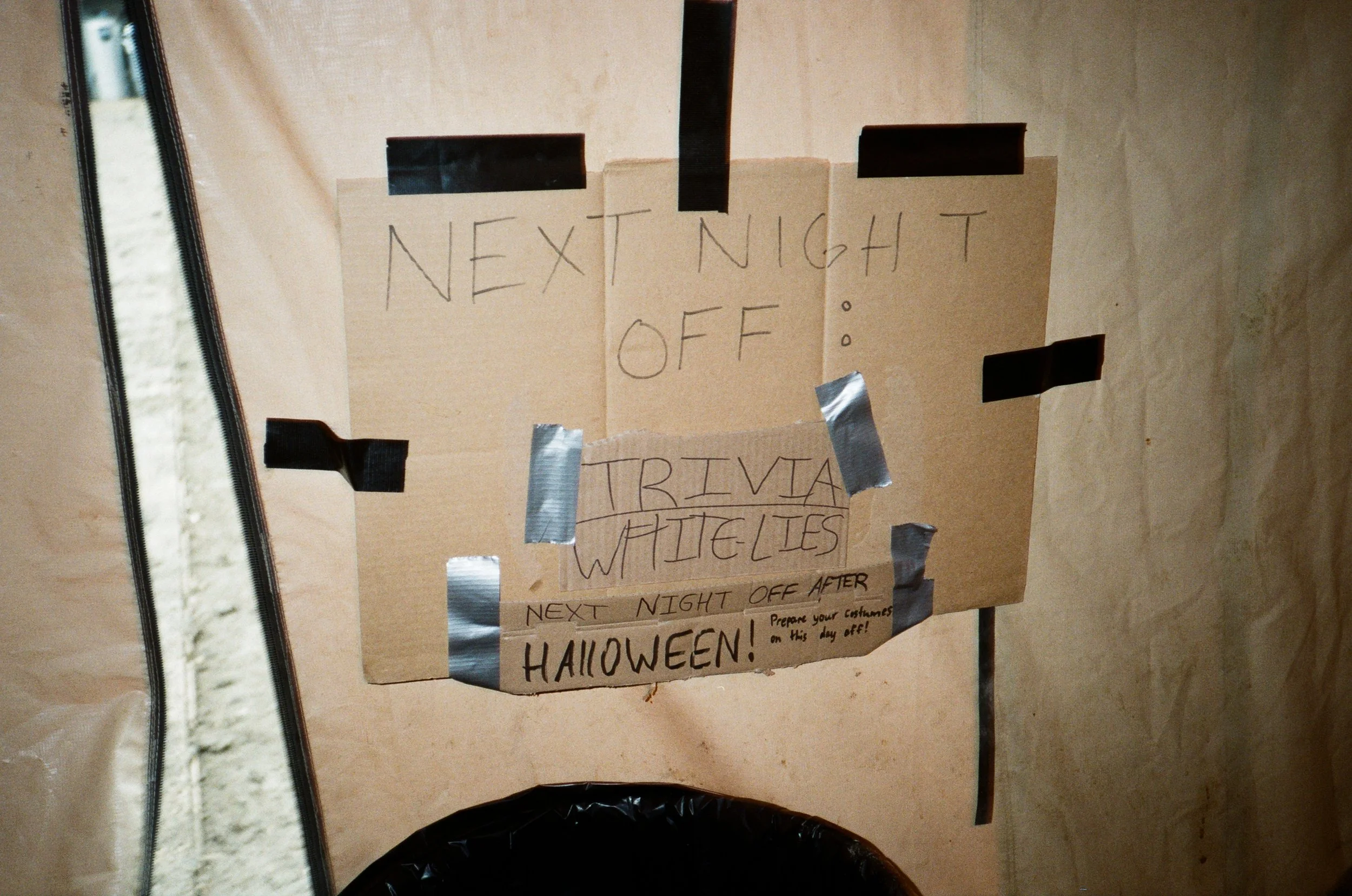
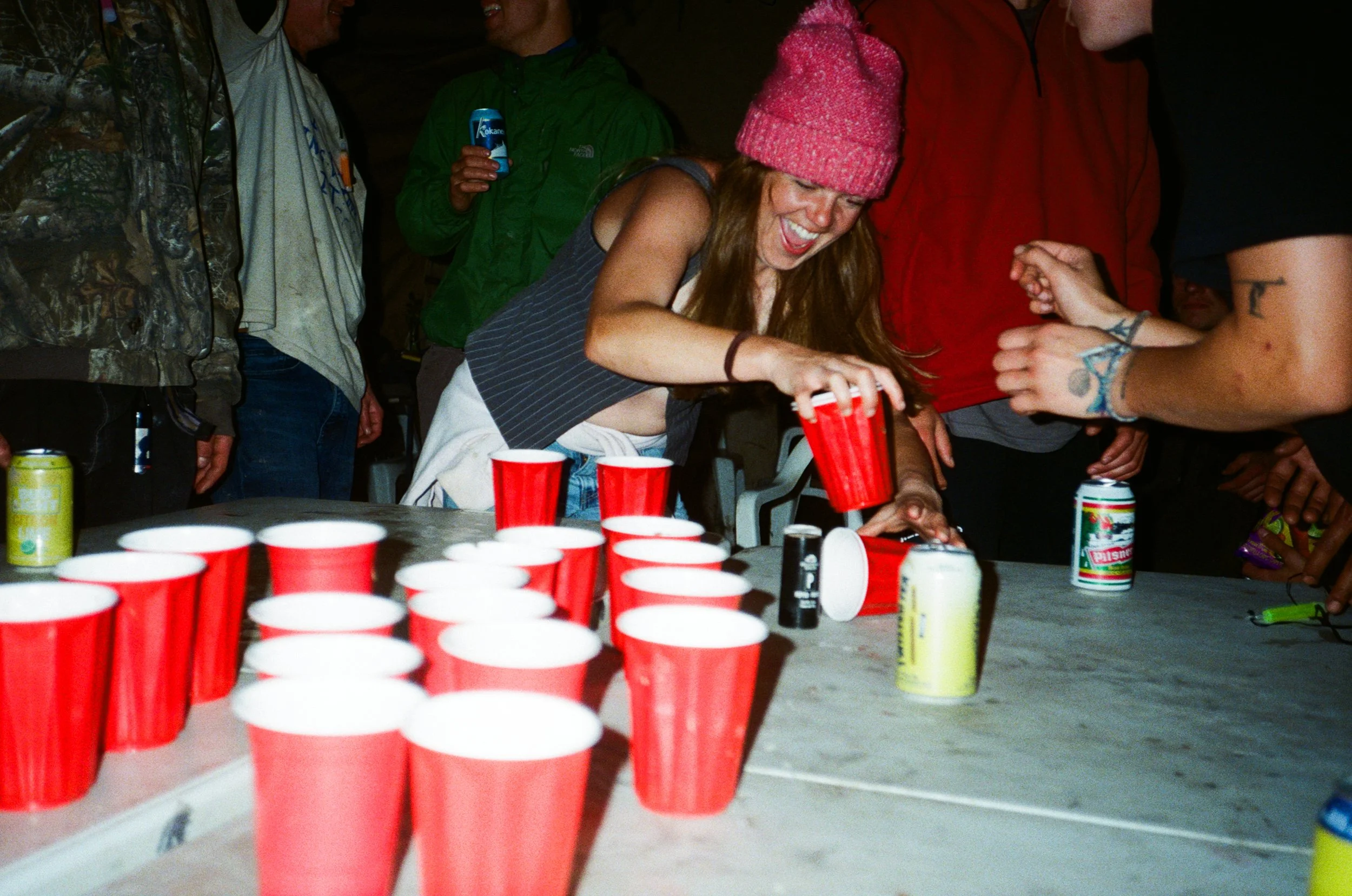
The labour is punishing yet meditative. Planters burn an average of 8,000 calories a day, returning to camp bruised, sunburnt, and exhausted, but together. Evenings unfold around long tables where stories, complaints, and laughter are accompanied by hot food. After three days, a day off arrives. At the end of the shift’s first day, the camp will listen to music, play games, and share drinks. That evening, they will feel like no world exists outside the camp. The following morning feels like a small holiday: river swims, town trips, chores, and rest, until the cycle begins again. This cycle continues until they complete the contract, running out of trees to plant. When contracts end, many return home tired and relieved. The relief is short-lived; soon, they begin to miss the simplicity, connection, and shared hardship of life in the bush. Many will begin counting down the days until they return. Others will cherish their experience forever.
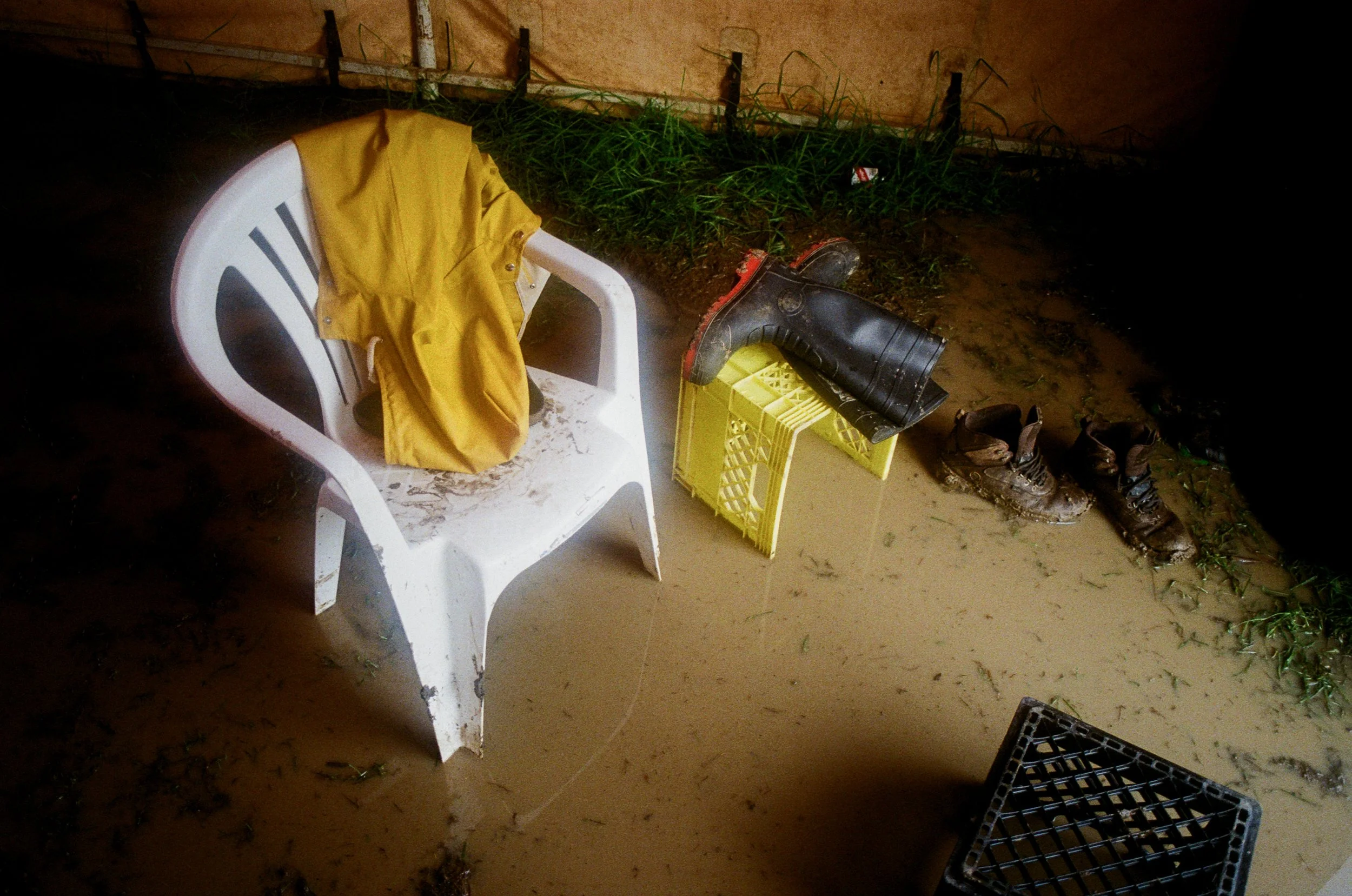
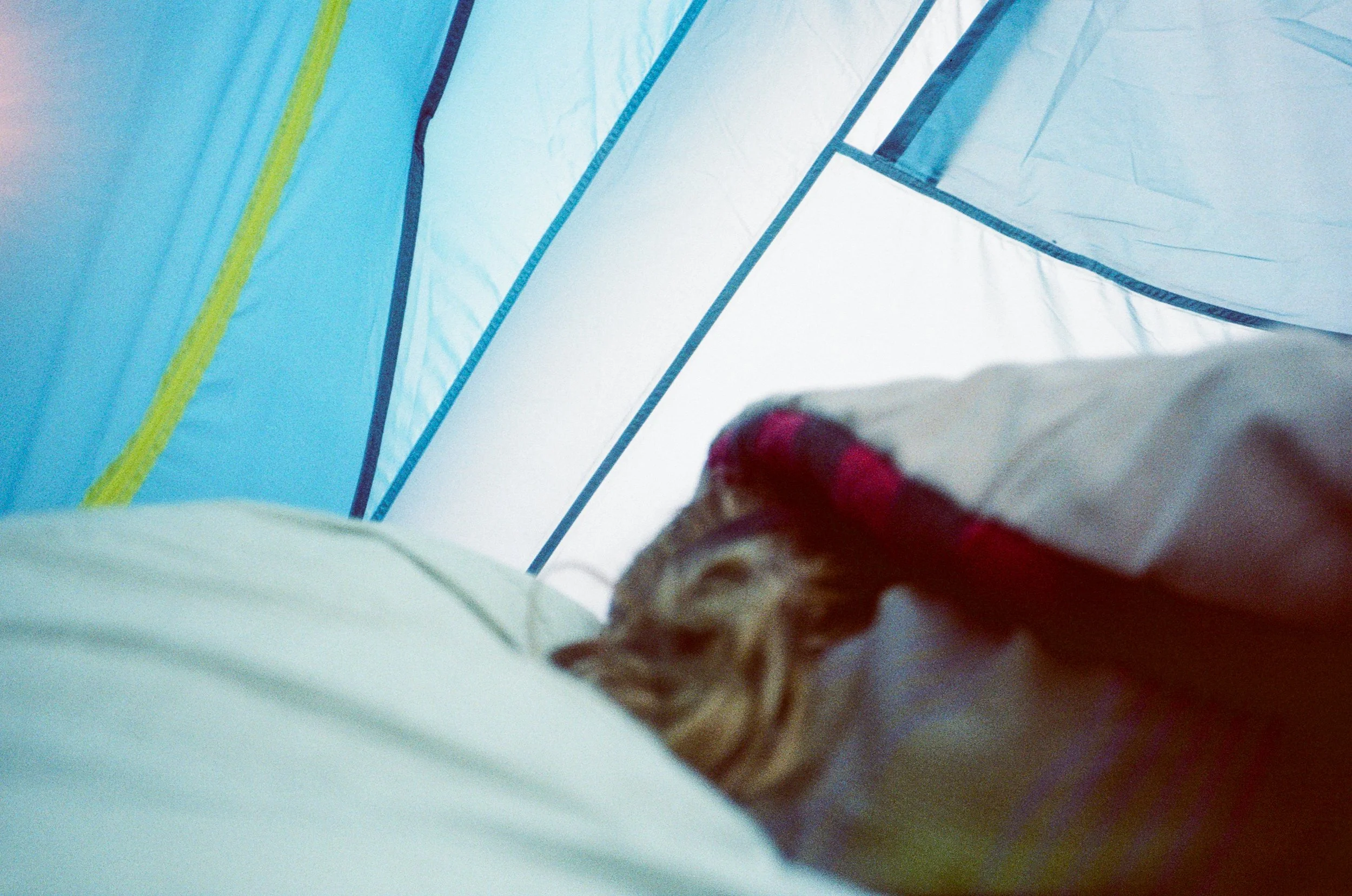
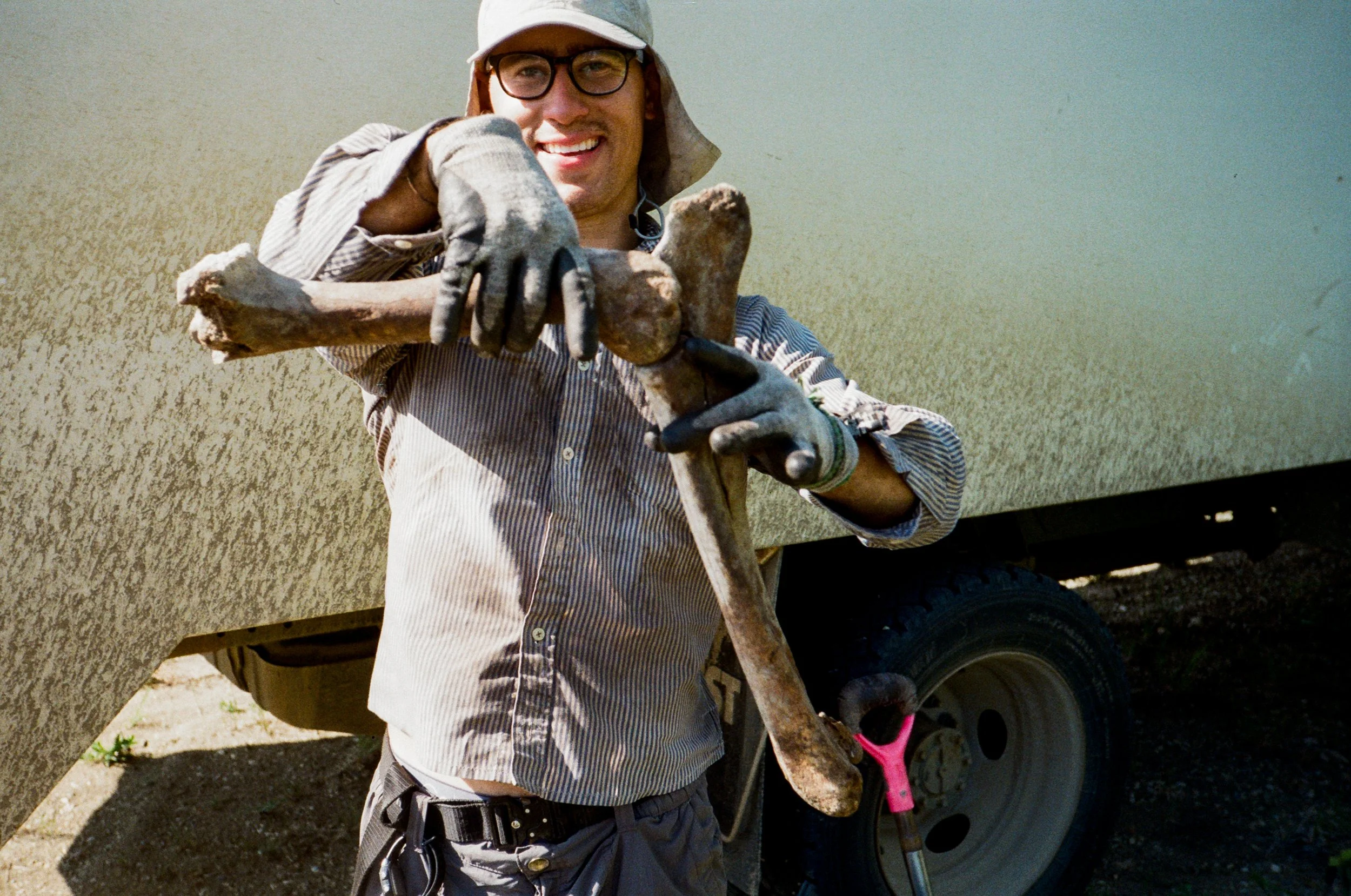
While working and living in camp, I kept my camera either on hand or tucked in the back of my planting bags every day. Someone who works the same cutblocks, eats at the same tables, and sleeps in the same muddy camp as everyone else. My goal with this project is to validate the experience of both my generation and fellow planters, as well as help outsiders see and understand a world they may never know. Tree planting is temporary by design. Camps dissolve. People scatter. Yet the experience and memories of those months linger long after. Through Day Three, I hope to preserve those lived experiences and to explore why so many young people keep returning to the bush year after year.
This book represents the first chapter of a longer-term body of work. I plan to return to this contract in May to both plant and continue documenting the lives, work, and experiences of this community.